
Published: Jun 14, 2026, 12:05 PM · Last updated: Jul 16, 2026, 6:58 AM
Beginner's Survival Guide: How to Spot Hidden Clues in Looping Horror Puzzle Games
Beginner's Survival Guide: How to Spot Hidden Clues in Looping Horror Puzzle Games
Looping horror puzzle games punish the same instinct that helps you everywhere else: tunnel vision. You see a door, you go for the door. You hear a sound, you run from it. In a loop, that reflex gets you killed. Then it kills you again with a slightly different hallway layout, and by run four you're convinced the game is broken.
It isn't. You just haven't learned to look yet.
Loops aren't really about surviving a single run. They're about reading the room, dying, and coming back smarter. The clues were always there. You walked past them.
The first loop isn't yours
It belongs to the game. It's showing you the building, the rhythm of its scares, the layout of its rooms, and where it wants your eyes to go, so it can hide something behind your back. Don't try to win it.
Walk slowly. Open every drawer that opens. Read the notes even if they sound like nonsense. And look up. Looking up is the single most underused move in horror games, and roughly half of all environmental clues live above eye level or in ceiling corners. The other half are tucked under tables, or scrawled where a normal person wouldn't crouch.
If you die, good. You weren't supposed to make it.
Track what changes
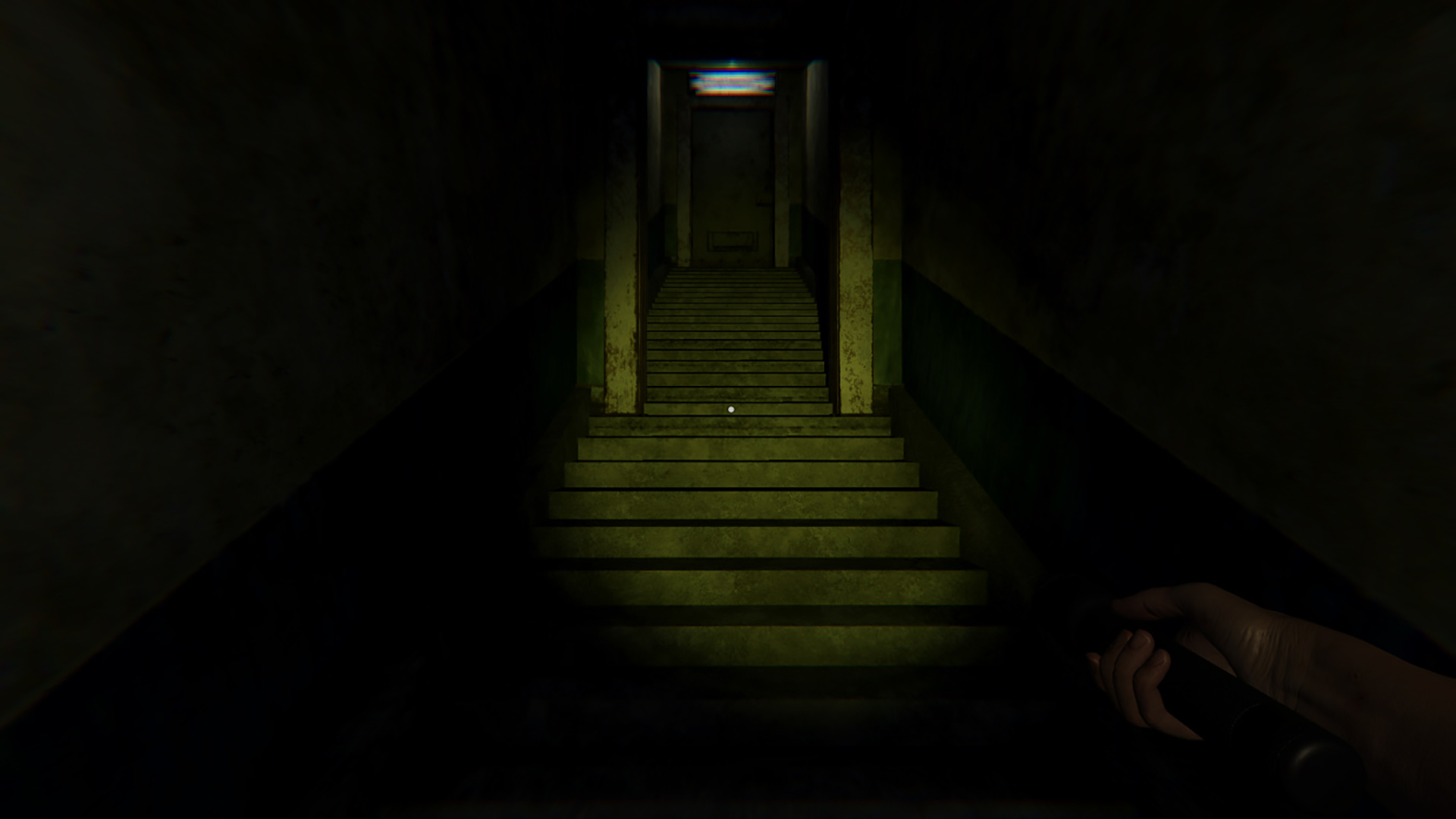
This is the actual skill. In a game like Speechless, the loop remembers you. Puzzles mutate. A riddle that was a number sequence last time might be a symbol pattern now. A room that was empty becomes occupied. The horrors shift, and the clues shift with them.
So you need a mental diff. After every loop, ask three quick things. What's in a different place? What's missing entirely? What's new?
That covers about 90% of what matters. The fourth, less obvious question: what did I do last time that the game seems to be reacting to? Looping games that track behavior are essentially building a profile on you. If you always ran left, expect left to start hurting.
Clues beginners miss
Notes and journals get all the attention because they're obvious. New players read them, feel clever, and stop hunting. That's the trap.
The good clues sit in four other places.
Environmental repetition. If you see the same symbol, number, or object three times in three different rooms, that's not decoration. It's a puzzle ingredient. Burn it into memory.
Audio that doesn't belong. A clock ticking in a room with no clock. A whisper that only plays near one wall. Sound design in this genre is almost never ambient for ambient's sake. Designers don't waste assets.
Things the enemy reacts to. If a foe pauses, flinches, or stares at something, that something matters. Especially true for mirroring or mimicking enemies. Speechless leans on a foe called Monica who copies your actions, and an enemy like that turns your own behavior into a clue, both for you and against you. Watch what she does after you do something. That's feedback.
The almost-too-quiet stuff. A scratch on a wall. One book pulled an inch further out than the others on a shelf. A painting that's slightly crooked. Real puzzle designers love this kind of thing. It rewards the patient and infuriates the speedrunner.
Keep an ugly notebook
You don't need to be organized. You need to be consistent.
Keep a piece of paper or a phone note open while you play, and jot anything that feels off, even if you don't know why. A symbol. A number. A name. A phrase someone said.
Most players resist this because it feels like homework. Then they spend forty minutes wandering a corridor because they can't remember if the safe code had a 7 or a 9. Be the person with the ugly notebook. You'll finish the game.
Pattern recognition beats reflexes
These games are not skill checks the way an action game is. You're not going to dodge your way out. The genre rewards a slower brain. Notice patterns, test small theories, and die on purpose sometimes just to see what the next loop changes.
Compare it to Outlast, which is mostly run-and-hide. Amnesia leans on sanity management and avoidance, and Layers of Fear plays with shifting environments, though the shifts are largely scripted set pieces. SOMA is a slow philosophical crawl. The looping puzzle subgenre asks something else from you, closer to a detective sitting in a haunted room with a clipboard. Less sprinting, more squinting.
If you've come from those games and feel stuck, that's normal. You're using the wrong muscles.
Watch the enemy, then use the enemy
In games with a mirroring or learning antagonist, your habits are the puzzle. If you always sprint into a room, the enemy learns sprint. If you always check the left drawer first, the enemy learns left. The clue isn't a note on a wall. It's your own pattern, reflected back.
So break your habits on purpose. Walk into a room you'd normally run into. Skip the drawer. Sit still for ten seconds in a hallway you'd usually rush. You'll be surprised how often the game responds, sometimes by revealing something it was hiding while you were too busy panicking to notice.
About getting stuck
You will. Every player does. The loop will feel unfair, the puzzles will feel arbitrary, and there will be a forty-minute stretch where you're convinced you missed something three rooms back. Usually, you did.
Step away. Come back. Re-walk the earliest rooms with fresh eyes. Nine times out of ten, the thing you needed was sitting in plain sight in a place you'd already cleared. These games are designed for exactly this rhythm. Tension, frustration, breakthrough.
If you want to put these habits to work in a game built around the loop, evolving puzzles, and an enemy that's paying attention to you, Speechless is on Steam and Epic Games. The kind of indie horror project CreatorFetch tends to flag for creators chasing reaction-heavy content, for what that's worth. Go in slow, take notes, and let the first loop teach you.
That's the whole trick.
Written by the CreatorFetch.com editorial team.