
Published: Jul 15, 2026, 12:00 AM · Last updated: Jul 20, 2026, 2:08 AM
Cozy Grove: Camp Spirit
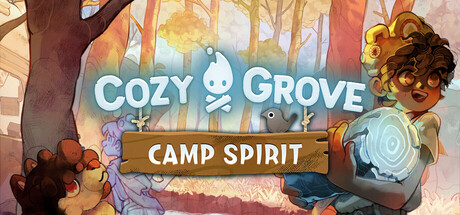
The sequel to a slow game that never asked you to hurry
Cozy Grove built its whole thing on restraint. It wouldn't let you binge. You'd log in, knock out a handful of little tasks, coax a backstory out of a ghost bear, and then the game politely showed you the door until tomorrow. Some people loved that. Others bounced off it hard. The follow-up, Cozy Grove: Camp Spirit, keeps the same real-time daily loop, and I suspect that one decision matters more than any line in the marketing copy.
Spry Fox is selling it as the thing you do after a rough day. A bus crash strands you alone on a mysterious island, and you rebuild both a campsite and, slowly, the vehicle that got you there. Old faces come back. Flamey and Mr. Kit among them. There's a new batch of troubled spirit bears who need help remembering who they were. Play the original and none of this surprises you. That's kind of the whole idea.
You'll find it on Steam tagged July 15, 2026, but the studio's own channels describe it as already out on PlayStation, Xbox, and Switch. So it's a staggered rollout, not one hard launch. Something to sit with if you're specifically holding out for PC.
What's actually new, past the cuteness
The additions that count are the ones that change the shape of the game instead of just dressing it up. Asynchronous multiplayer is the headliner. You'll spot ghostly astral projections of other players drifting around, and you can mail each other gifts, but there's no live chat and nothing to schedule. That's a sharp read of who plays these games. The person drawn to a slow, solitary life-sim is rarely the person who wants a Discord raid party breathing down their neck. Spry Fox clearly knows its audience skews introverted and built the social layer to be opt-in, which means you can ignore it entirely and lose nothing.
Then the more expected stuff. Animal companions now, including a dog you can pet. A snail that hauls part of your load, which is really an inventory-friction fix wearing a gag as a costume. New foraging and mining spots that open up when you light lamps. And a power-washing tool, of all things, either a fun little distraction or proof that people genuinely just want to scrub grime off surfaces in games these days. The watercolor art carries over, and it's still the strongest thing the series has going for it.
Daily quests still gate progression. Do the day's work, then you're free to fish, cook, catch bugs, skip rocks, collect shells. Merit badges track what you've done.
Same positive-reinforcement machine as before. It lives or dies on the writing for the bears. That was always the secret engine of the first game, the reason people kept coming back for months. Cute crafting gets you in the door. The grief-and-memory stories are what kept anyone around.
The early community read
The early video coverage tells you plenty about who this landed with. The creators poking at it aren't hype-channel guys chasing a shooter. They're cozy-games specialists and handheld players documenting long, unhurried playthroughs, the kind where the first half hour is just wandering and reacting. A few are running it on Switch and Switch 2 specifically, which tracks. This is a couch-in-handheld-mode game, not a chained-to-a-desk one. There's mobile walkthrough coverage kicking around too, so Android and iOS look like part of the plan, matching where the series has always lived on touchscreens.
Nobody in that coverage is stress-testing frame rates or fighting about mechanical depth. That's not the conversation this game generates. Pretending otherwise would read it completely wrong.
Who this is really for
The trade-off hasn't budged. If the real-time pacing bugged you the first time, Camp Spirit won't convert you, because the entire design philosophy is built on limiting how much you can swallow in one sitting. And if you loved being told to come back tomorrow, this is more of exactly that, plus a dog and a mailbox. The value is in the ritual, not the raw hours. That's a genuinely divisive pitch. The marketing's insistence on "relaxing" is doing heavy lifting to paper over the fact that plenty of players hear "relaxing" and think "restrictive."
A game like this can't win a mass-market shove, and trying would probably blow up in its face. Dump it into a giant undifferentiated ad spend and you're paying to reach millions of people who'll refund it the second they realize they can't grind it out over one weekend. The audience that keeps a slow life-sim breathing is narrow and specific. The cozy-games YouTubers who film hour-long sessions. The handheld-first players documenting Switch runs. The wholesome streamers whose whole channel identity is low-stakes comfort. The Animal-Crossing-adjacent crowd that treats a daily check-in as a habit instead of a chore. Reaching those exact pockets, and only those, is the survivable path through the Steam launch firehose. Platforms like CreatorFetch exist to map a game onto that kind of hyper-targeted creator roster rather than spraying budget at people who were never staying.
Spry Fox has done this dance before and clearly understands its own series. Whether Camp Spirit widens the tent or just repaints it comes down to how well those new bear stories land, and that's the one thing no screenshot or feature bullet can tell you ahead of time. Come back tomorrow, I guess. The game would want it that way.