
Published: Jun 27, 2026, 9:04 AM · Last updated: Jul 16, 2026, 6:58 AM
Designing Mini Games That Disturb: How Routine Disruption Builds Dread in Horror Titles
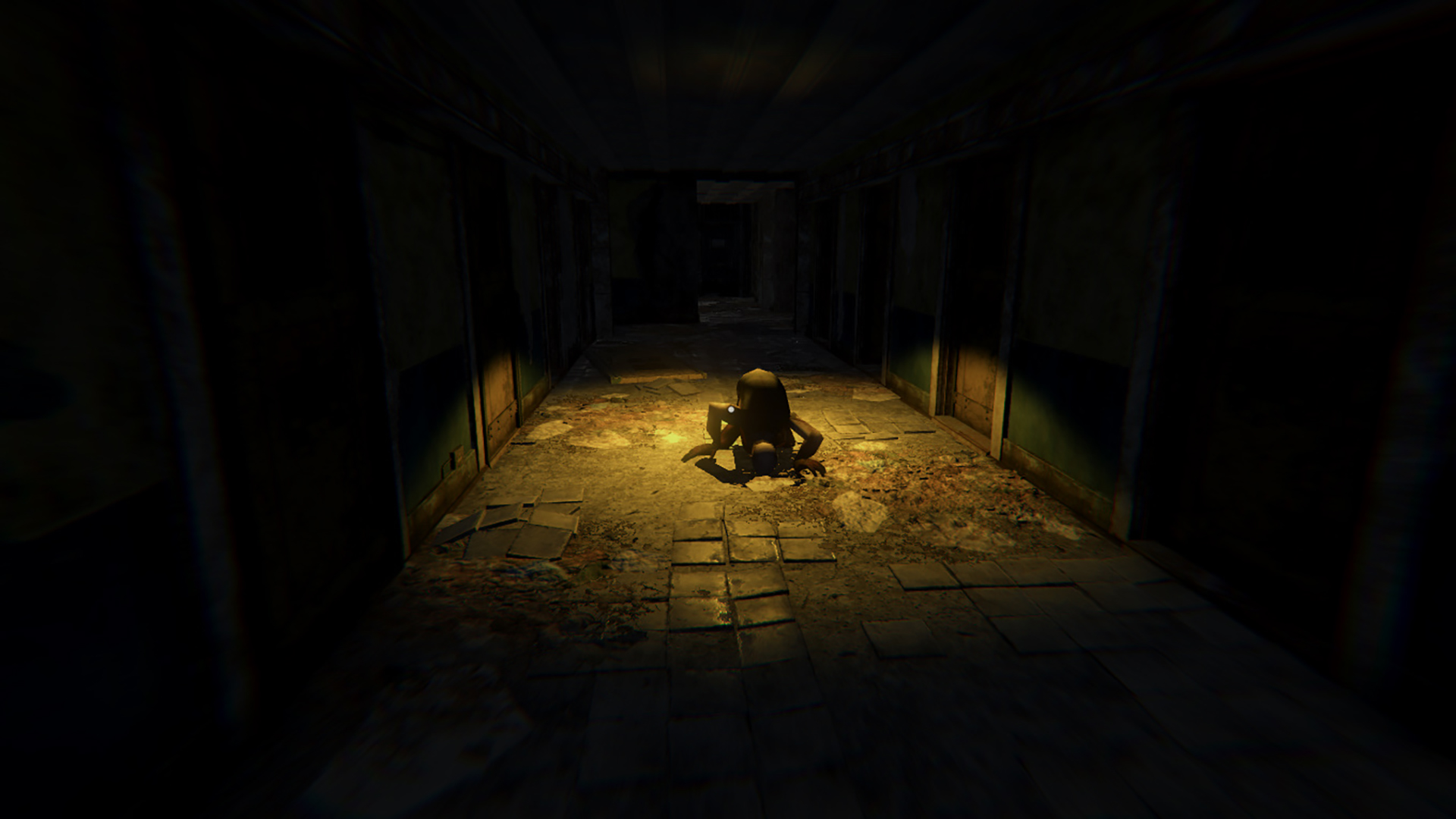
Designing mini games that disturb
Horror doesn't live in the jump scare. It lives in the second before it, when you realize the thing you've been doing for the last twenty minutes, the small, dumb, repeatable action, isn't going to work the same way this time.
Routine is the bait. Disruption is the hook.
Why repetition is underrated
Every horror designer figures this out eventually. You can't scare a player who's been tense from minute one. Constant dread numbs people. The brain adapts, shoulders drop, and by the third corridor of moaning ambient noise you're just walking. Not feeling. The fear flatlines.
So you need a baseline. A boring one, even. Pick the lock. Match the symbols. Turn the dial until the light goes green. The mini game becomes a small chore, and chores are where the brain rests.
Then you break it.
The dial doesn't turn the same way. The symbols are watching you. The lock you've picked a dozen times suddenly wants something else, blood, a name, silence, and you're already three seconds into the old motion before you notice.
The craft of breaking a pattern
You can't just randomize the puzzles and call it psychological. Random isn't scary. Random is annoying. What works is targeted violation of a pattern the player trusts.
A few things designers actually do:
- Teach the rule cleanly the first time. The player has to feel competent before you can yank the rug.
- Let them repeat it enough to feel ownership (two or three uses is usually the sweet spot).
- Change one variable. Not all of them. "Wrong" only reads if most of it is still right.
- Make the change feel intentional, like something is doing it to them.
That last one is where most indie horror fumbles. If the disruption feels like a developer twist, the player rolls their eyes. If it feels like the building, or the entity, or the loop itself is messing with them, the dread sticks.
Loops as a delivery system
Looping horror has a structural advantage over linear horror here. A loop is, by definition, a routine. The player knows they're going to do this again. They're already pattern-matching, already building muscle memory for the rooms, the timings, the puzzles.
Which means every loop is a setup for a punchline you haven't written yet.
Speechless leans hard into this. It's a psychological indie horror game built around an Escape the Loop structure where the puzzles, the horrors, and the hidden clues mutate every iteration. The building remembers what you did. The riddles you solved last time aren't quite the riddles in front of you now. You walk into a room expecting the rhythm you learned, and the rhythm has rewritten itself.
That's the payoff. The mini game you mastered in loop two becomes the thing you're afraid to touch in loop four, because you don't know what part of it has changed and you don't know what happens if you guess wrong.
What the genre has already chewed on
Layers of Fear messes with the geometry behind you, so the routine of walking through a hallway becomes unreliable. Amnesia built its tinderbox-and-lantern economy into a quiet ritual, then made the dark itself the punishment for breaking it. Silent Hill 2 weaponized the radio static, a tool, into a metronome of approach. Soma did it with terminals and dialogue, lulling you with interface familiarity before the body horror arrived.
Outlast and The Evil Within tend to go the other way, chase and spectacle over routine subversion. A valid lane. A different one.
What's still wide open, honestly, is mini games as horror vehicles. Most titles treat puzzles as pacing breaks, a place to breathe between the scary parts. The more interesting move is to make the puzzle itself the scary part. To make the act of solving feel like the thing watching you solve.
Monica
One of the cleanest examples of routine disruption as a design philosophy is an enemy that mirrors the player. Speechless uses one called Monica, a foe that copies your actions.
Think about what that does to decision-making. Every input becomes a question. Do I move? If I move, she moves. Do I solve the puzzle the way I always solve it? Then she's solving it too, and she's closer than she was.
Suddenly the routine isn't just unreliable. It's hostile. The thing you've been doing on autopilot is now the exact information you're feeding to the thing that wants you.
That's a different flavor of dread than a monster in a closet. Slower. More cognitive. It lingers after you've put the controller down.
(Worth noting, on the marketing side, that CreatorFetch has been used by smaller horror studios to push exactly this kind of mechanic-focused beat to creators rather than the usual jumpscare reel. Whether that lands with audiences trained on louder horror trailers is its own question.)
The takeaway
If you're building horror, stop thinking of mini games as filler. They're the most intimate moment a player has with your systems. Hands on the controls, attention narrow, guard down for a second. Prime real estate for fear.
And if you're a player tired of horror games that peak in the first hour and then just repeat their tricks louder, the loop-and-mutate approach is worth your time. Speechless is on Steam and Epic Games, single-player, built for people who like puzzle and escape-room style challenges with something genuinely wrong underneath them.
Routine is comfort. Horror, the good kind, is what happens when comfort stops being available.
Written by the CreatorFetch.com editorial team.