
Published: Jul 22, 2026, 12:00 AM · Last updated: Jul 23, 2026, 2:28 AM
Hand of Fate: Hordes
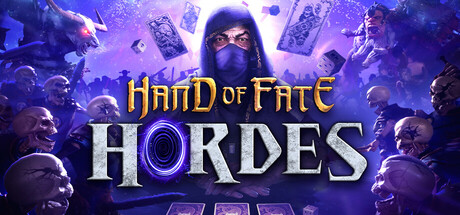
The Dealer deals again, this time in bullets
Take a slow, deliberate deckbuilder that people genuinely loved and shove it into the most crowded genre on Steam. That's the bet Spitfire Interactive is making with Hand of Fate: Hordes. Clever or reckless? I keep flipping on it. Probably both at once.
The original Hand of Fate made you sit. You faced the Dealer across a table, flipped cards, and every encounter played out like a tarot reading that could ruin your day. Hordes takes that same skeleton and drops it in a Vampire Survivors blender. You're an auto-shooter now, mowing through waves, and the deck you built decides what you've got to survive the crush.
It's on Steam now, tagged July 22, 2026, launching into Early Access. Anthony Skordi's back as the Dealer. That matters more than it reads on paper. His voice carried half the original.
Deckbuilding meets the survivor grind
Here's the hook. In most bullet heavens you build your character out of random level-up picks mid-run. Hordes moves that decision up front, into deck construction. Before the chaos even starts you choose which weapons, encounters, and blessing modifiers are allowed to show up at all. Then the run shuffles fate on top of what you picked.
Four heroes at launch. Trickster, Goblin, Warrior, Rebel. Each pulls toward a different flavor of ranged, melee, or magic. Reasonable spread for a genre where "which character do I main" is basically the whole Discord conversation for the first month.
The story bit puts you trapped in the Shadow Vaults past the 13th Gate, with the banished Dealer plotting your death. You fight through hordes, quests, and bosses to get out. Tokens from runs unlock persistent rewards, the usual meta-progression loop that has people opening the game "just one more time" at 1am. There are dice minigames and card shuffles for boons too, and honestly that's the one piece of the original's texture that made the transplant cleanly.
What I can't tell you yet is whether the deckbuilding actually changes how a run plays or just dresses up the loot pool. That's the entire ballgame here. Cards that genuinely reshape a run, it's got legs. Cards that are a fancy skin over the same power-up soup, players will spot it fast and say so louder.
What the early coverage is circling
Most of the first video coverage is sponsored Early Access looks. That colors it, so read accordingly. Creators keep landing on the same three-word pitch, cards plus dungeons plus the survivor-like onslaught, and a lot of the footage is controller play on PC instead of mouse-and-keyboard. Reads to me like the studio's aiming at the handheld and couch crowd as much as the desktop min-maxers. Smart, given where this genre actually lives now.
The organic interest, the stuff not paid for, seems tied to nostalgia for the first game. The "never-ending onslaught for upgrades" framing is the survivor hook doing its job. But whether Hand of Fate diehards want their quiet card game turned into a twin-stick blender is the question hanging over all of it.
The team
Per the studio's own material, Spitfire is a small independent outfit in Brisbane built from key creatives on the original Hand of Fate. Their first game under the Spitfire name was Capes, a turn-based superhero tactics game set in a world where the villains already won. That shipped May 2024, with Freedom Force writer Morgan Jaffit involved.
So it's not their first rodeo. But Capes was tactics, a genre full of patient, older buyers. Hordes walks into the survivor pit where you're up against free-to-play attention spans and a hundred lookalikes dropped the same quarter. Whole different battlefield.
Why a shotgun launch would waste this
A broad, generic "wishlist now" blast would burn cash and signal nothing here. This game lives or dies on two crowds that barely overlap. On one side, the deckbuilding roguelike faithful who worship Slay the Spire and Balatro. On the other, the survivor-like grinders with hundreds of hours in Vampire Survivors and Brotato. A mass push treats them as one blob. They aren't one blob.
Each side has its own creators, its own YouTube and Twitch tastemakers who can tell you whether the card system has real depth or whether the horde density feels good under pressure. Those are the people whose word actually converts. It's the coordination problem CreatorFetch pitches itself at, matching a niche title to the exact deckbuilding and survivor-genre creators whose audiences already trust them on this specific question, rather than spraying keys at whoever has a big follower number. For a small Brisbane team trying to punch through the Steam launch-day noise, that kind of targeted validation isn't really a growth tactic. It's closer to survival.
The idea is genuinely interesting. Take a genre that's usually pure reflex, bolt real pre-run strategy onto it, and do it with a franchise that already understood how cards carry story weight. If the marriage works, Hordes could be one of the more distinctive survivor-likes going. If it doesn't, it's a fascinating footnote about what happens when you speed up a slow game. I'm curious enough to watch the Early Access build. Skeptical enough to wait for the non-sponsored footage before I call it anything.