
Published: Jun 11, 2026, 9:15 PM · Last updated: Jul 16, 2026, 6:58 AM
Mirror Enemies in Horror Games: The Design Psychology Behind Speechless's Monica
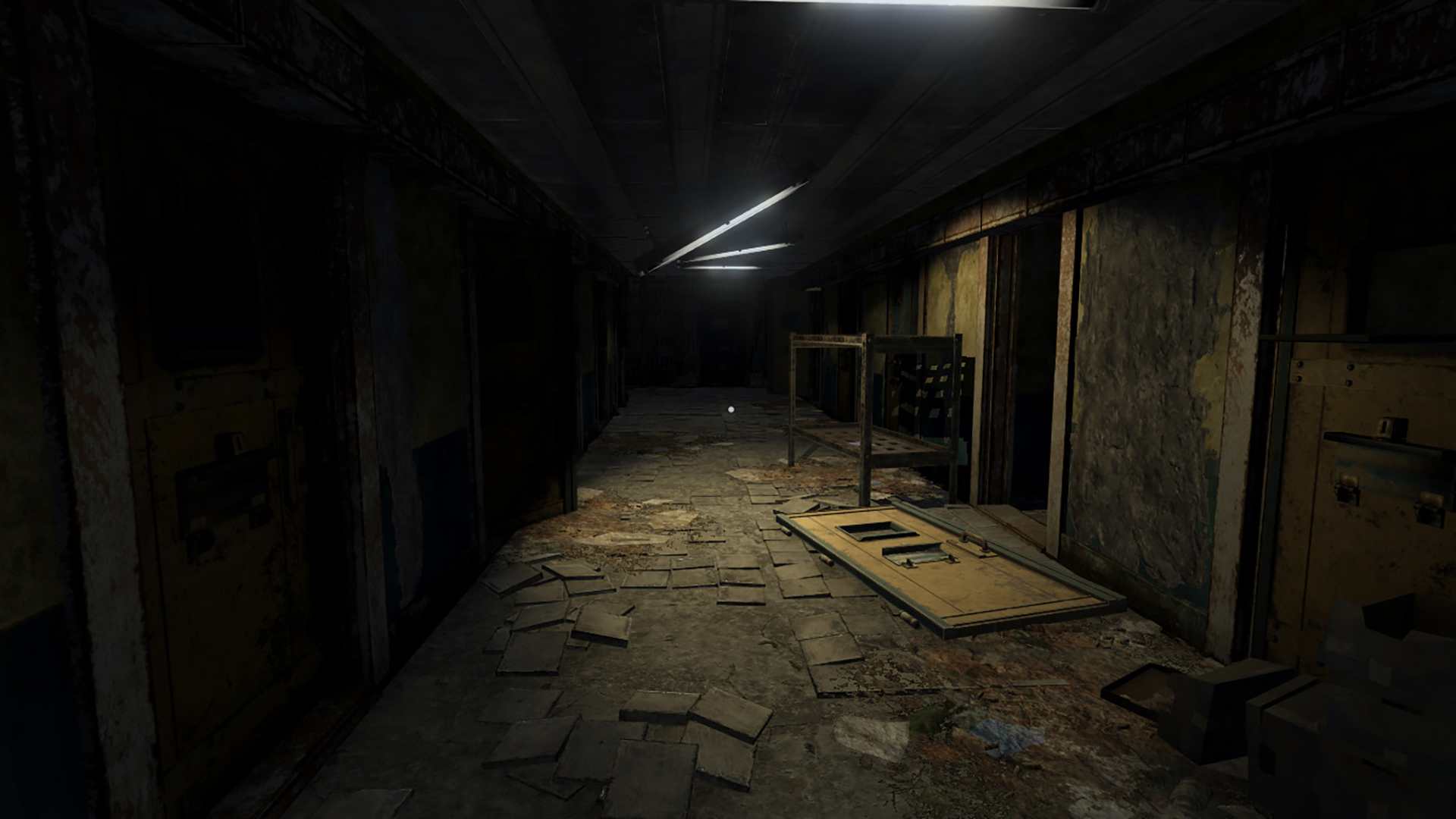
The Mirror That Watches Back
There's a specific kind of fear that has nothing to do with claws or jump scares. It's the fear of watching something do exactly what you just did, half a second late, and realizing it learned that from you.
That's the trick at the heart of Speechless. It's also why Monica, the game's mirroring enemy, lands somewhere most horror antagonists can't reach.
Most monsters chase. Monica copies.
Why mirroring beats chasing
Horror has leaned on predator-prey for decades. Amnesia stuffs you under a table while something shuffles past. Outlast hands you a camcorder and tells you to run. The Evil Within keeps throwing bigger things at you until you out-shoot or out-sprint them. These work because they tap an old animal panic. Something wants to eat me. Hide or run.
Mirror enemies break that contract.
The threat isn't outside you anymore, it's a reflection of your own behavior. You can't out-pattern a thing that learns your pattern in real time. You can't hide from something that hides the same way you do. And here's the part most players don't see coming: every habit you build to survive becomes ammo against you.
Monica isn't an obstacle. She's a feedback loop with teeth.
The doppelgänger problem
Mirror enemies aren't new as a concept. Folklore's been obsessed with doubles forever. The doppelgänger, the changeling, the thing wearing your face. Silent Hill 2 built an entire game around the monster-as-projection idea. Layers of Fear plays with reflections and recursion until you stop trusting glass.
But those games use the double as metaphor. Monica uses it as a mechanic. That difference matters more than it sounds. Symbolic mirrors get processed after the fact, on your couch, thinking about what it meant. Mechanical mirrors get processed in your hands, mid-puzzle, sweating. The dread is functional, not just thematic.
How she fits the loop
Speechless is built on an Escape the Loop structure. Each iteration shuffles puzzles, swaps horrors, hides new clues in places you swore you'd already checked. The building remembers what you did last time. So do the things inside it.
Drop a mirroring enemy into that and something interesting kicks in. In a normal horror game, you learn the monster's behavior and exploit it. Here, the monster's learning yours at the same speed. You adapt, she adapts. You try a new route. She's already seen the old one, and she's waiting to see what the new one tells her about you.
This is where it gets genuinely uncomfortable.
You start second-guessing your own movement. Do I crouch here because it's smart, or because it's a habit she can read? Players I've watched stream this kind of game start doing something fascinating, they begin acting against their own instincts on purpose, trying to be unpredictable to themselves. That's not gameplay anymore. That's a low-grade dissociation, and it's exactly the headspace psychological horror is supposed to put you in.
The quiet cruelty of being copied
There's also something deeply unsettling about mimicry itself. Anyone who's ever had a sibling repeat every word they said for ten minutes straight knows the exact frustration. Now imagine that sibling is a thing in an abandoned building and the stakes aren't dinner.
Mimicry strips you of authorship. Your choices stop feeling like yours, because something else is making them too, right behind you, slightly wrong. Soma poked at this with its whole question of what counts as a self. Speechless asks a meaner version. What's left of you when your behavior is shared property?
What it says about the genre
Indie psychological horror has been quietly outpacing the big-budget stuff for years now. A lot of that is freedom. A small team can build a weird mechanic around a weird idea without a publisher asking where the cover-shooter sequences go.
Mirror enemies are a clean example of what that freedom unlocks. A studio chasing mass appeal probably wouldn't ship an antagonist whose entire pitch is "she does what you do," because that's almost impossible to sell in a trailer. You have to play it to feel it.
Which, frankly, is the case with most of the best horror. A trailer can show you a creature. It can't show you the moment you realize the creature is studying you.
Worth flagging, since CreatorFetch has been tracking how indie horror teams pitch this stuff to streamers, that Speechless seems to be leaning into the mirror mechanic as its hook rather than the looping structure. Smart call. The loop is the skeleton, but Monica is the part people will talk about on stream.
Worth sitting with
Monica isn't the only reason Speechless works. The looping structure, the mutating puzzles, the suffocating environments, they all pull their weight. But she's the clearest example of the game's design philosophy. Horror that comes from inside the player's own choices, not from somewhere out there in the dark.
If you've worked through Silent Hill 2 more than once, or finished Layers of Fear and kept thinking about it a week later, Speechless is on Steam and Epic. Bring patience. And maybe don't get too comfortable with any one way of moving through a room.
Written by the CreatorFetch.com editorial team.