
Published: Sep 2, 2026, 12:00 AM · Last updated: Sep 3, 2026, 2:36 AM
Moonlighter 2: The Endless Vault
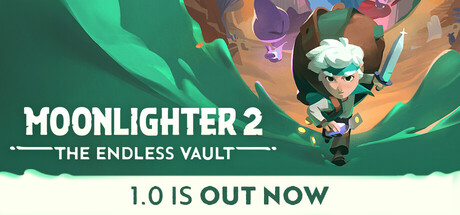
The shopkeeper is back, and now he's got a third dimension to worry about
The first Moonlighter did the thing everyone claims to be doing and almost nobody actually does. Two different games, stapled together by a loop you couldn't quit. Dungeon crawling at night, running a shop by day. On paper that's a mess. It worked anyway, and it turned Digital Sun into a studio people keep an eye on.
So Moonlighter 2: The Endless Vault shows up carrying a very specific weight. Beloved-indie sequels tend to die one of two ways. They add nothing and get branded a glorified DLC, or they pile on systems until the thing that hooked you in the first place is buried under menus. The pitch, which you can read on Steam, hangs everything on one enormous swing.
Pixel art to full 3D. That's the headline, and it's the scariest call on the table.
Will, broke again, in a village called Tresna
Will's stranded and penniless, reopening a shop in a strange village while the interdimensional collector Moloch sits on his homeland. Which is a tidy excuse for why a sequel dumps you back at square one instead of handing over the gear you already grinded for. I'll take it.
The core loop lives. Dive, loot, haul it home, price it, read your customers, reinvest. The new wrapper is the Endless Vault, an ancient artifact with challenges that keep growing, and that reads like Digital Sun bolting a real roguelike spine onto a game that only flirted with the genre before. Yes, the original had procedural dungeons and runs. But the marketing now shoves "roguelike elements" to the front, and that's a genuine change in emphasis, not just wording.
Backpack management is still pulling serious weight. Anyone who played the first one remembers the tetris of it, the cursed items that punished a bad slot, the loot you had to arrange like a lunatic. The sequel ties item synergies to how you pack, so the puzzle deepens instead of getting scrapped. Good call. That inventory friction was where the dungeon game and the merchant game actually shook hands.
The 3D question
Moonlighter's pixel art wasn't a budget dodge. It was the whole identity. The light in the shop. The glitter on the shelves. The dumb little sprite comedy of a customer haggling over junk. Moving all that to 3D means rebuilding a feeling, not cranking up a resolution slider.
Digital Sun has range, credit where it's due. Cataclismo is a fortress-building RTS. The Mageseeker was a full League of Legends spinoff with its own look. These people don't only know one trick. But 3D combat drags along expectations that flat pixel combat quietly ducks. Once everything's rendered in three dimensions, players start measuring your dodge rolls and hit reactions against games with combat budgets five times the size. The pitch promises "smoother, more dynamic combat" across weapon classes. That exact sentence gets stress-tested the second anyone actually holds a controller.
And the early community coverage, from the review-overview channels down to the marathon live playthroughs, keeps circling combat feel and the shop economy way more than the story. Makes sense. Nobody bought the first Moonlighter for its plot. They bought it for the math. Turn junk into gold, turn gold into better junk-hunting gear, repeat.
Platforms and the 11 bit factor
If you're tracking the release, a couple things matter. The game hits Nintendo Switch 2 with its own launch trailer. And the publishing runs through 11 bit studios, who handled pre-orders and the demo. That's a heavier distribution arm than a self-published indie gets, which explains the coordinated launch push landing across creator channels all at once. Digital Sun builds the thing. 11 bit knows how to put it in front of eyeballs. For a mid-size indie trying not to disappear, that split matters more than it sounds.
Because disappearing is the actual danger here. A September 2026 slot drops this into the ugliest, most crowded release window of the year, going up against basically everything.
Why a shotgun marketing blast would waste this game
Moonlighter 2 isn't going to win by yelling at everyone. Its appeal is narrow, almost weirdly narrow. It's for the people who get a hit off spreadsheets dressed as adventure, off tuning an economy, off the loot-appraise-sell rhythm. Point a generic mass-market campaign at that and you're lighting money on fire, because the person who'll sink eighty hours into optimizing a shop display is not the person a broad action-RPG ad ever reaches.
So the smart play through the Steam launch chaos is narrow and deep. Cozy-management streamers. Roguelike theorycrafters. The Vinesauce-flavored variety hosts whose audiences already skew toward this exact brand of systems-driven comfort chaos. Plus the review-overview channels the community treats as buy-or-skip oracles. Hitting those precise creator pockets at volume, without spraying budget across reach that doesn't care, is the kind of targeting CreatorFetch is built to run, lining up a game this niche with the small handful of creators whose viewers were basically born to wishlist it.
The original earned its cult by respecting one small, sharp idea and not screwing it up. The sequel is betting it can keep that idea, wrap it in 3D, and not lose whatever made grinding a virtual shop counter oddly satisfying. That bet isn't settled. But if the loop still clicks like it used to, the 3D jump turns into a bonus instead of a liability, and Will's second shop might do what the first one did. Quietly eat a weekend you never planned to lose.