
Published: Jun 29, 2026, 9:02 AM · Last updated: Jul 16, 2026, 6:58 AM
Running Speechless on a Low-Spec PC: Optimizing Indie Horror for Older Hardware
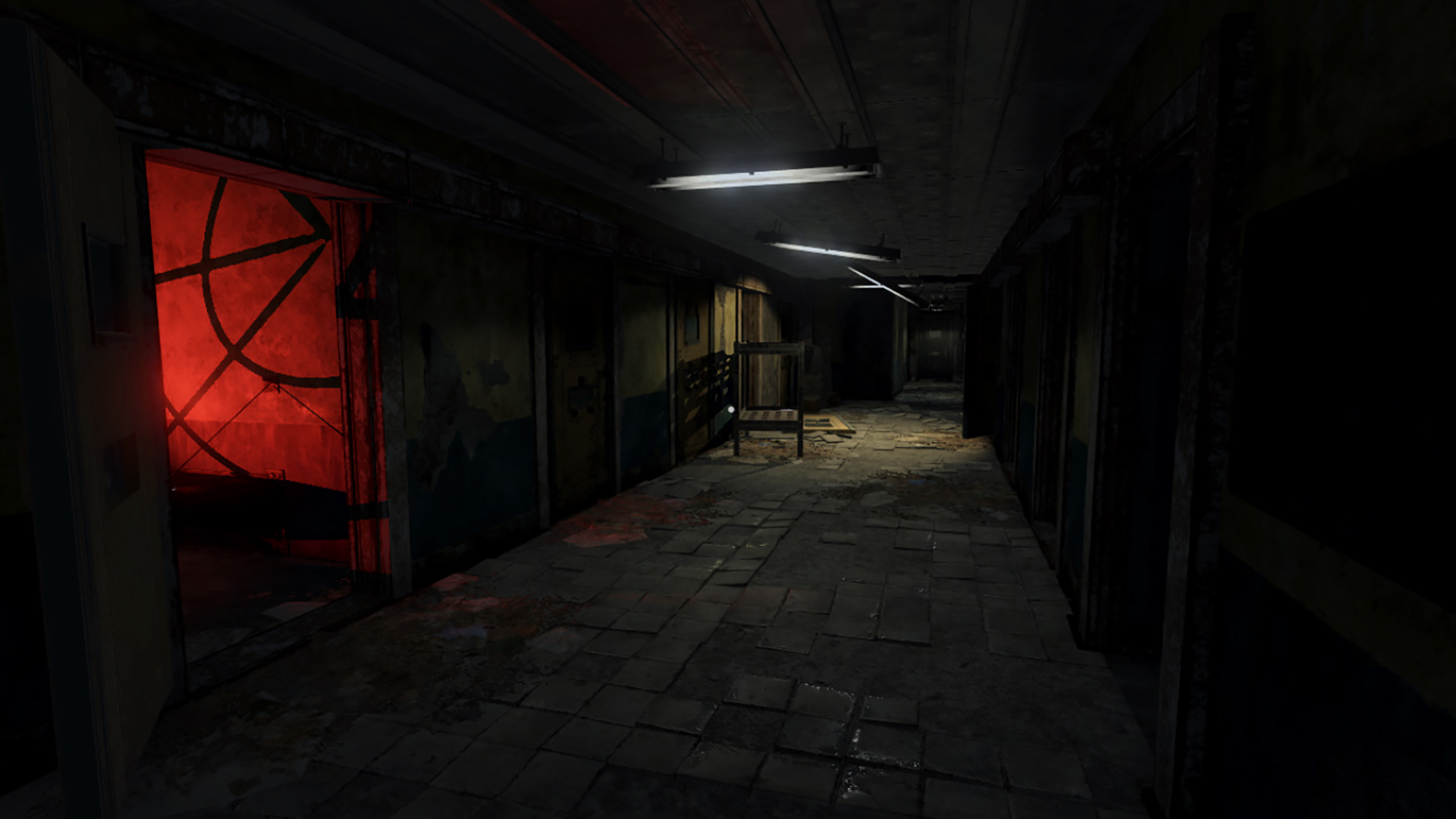
Running Speechless on a Low-Spec PC
Most horror games these days assume you're sitting behind an RTX card with 32GB of RAM to spare. Which is a problem if your tower is five or eight years old and still pulls its weight for everything else. Good news. Speechless doesn't really care about your rig.
With a few tweaks, you can get it running cleanly on hardware that probably should've been retired three Christmases ago.
What the game actually needs
Minimum specs: Windows 7, 8, or 10 (64-bit), a Core i3 at 2.4GHz, 4GB RAM, Intel HD 4000 graphics.
Read that again. Intel HD 4000. Integrated graphics from roughly 2012. If you have a laptop made in the last decade, you're already over the bar without thinking about it.
That's a deliberately friendly floor for a psychological horror puzzler. The Evil Within wants twice that GPU before it stops choking in dark corridors, which, of course, is exactly where you can't afford stutter.
Why this matters for this specific game
Speechless runs on a loop. Every iteration through the abandoned building remembers what you did last time and shuffles puzzles, scares, and clues around that. So when your framerate tanks at a key moment, you're not just eating a botched jump scare. You might be missing a hidden detail that the next loop quietly mutates around you. Performance here isn't cosmetic. It's tied to whether you actually see what the game is showing you.
Then there's Monica. She mirrors what you do. Try reading her, baiting her, reacting to her at 22fps with input lag, and the whole mechanic collapses. Consistent frames matter more than pretty ones. Not even close.
Settings that actually move the needle
If you're scraping the minimum, focus where it counts. Resolution and shadows are the two big levers on old hardware. Almost everything else is rounding error.
- Drop resolution to 1600x900 or 1280x720 first, before you touch anything else. The game is dark by design and the hit is barely noticeable in a corridor lit by one flickering bulb.
- Shadows to low. Dynamic shadows are the single most expensive thing a horror game renders, and on Intel HD-class chips they are brutal.
- AA off. FXAA at most. MSAA on integrated graphics is a slow death.
- Post-processing to medium (you want some of it, the grain and color grading carry a lot of the dread, but the heavy stuff can go).
- V-Sync? Off if you're chasing frames. On if tearing keeps breaking your immersion. Your call.
Outside the game itself
Before you blame the game, look at what else your PC is doing. Chrome alone can eat half your headroom on a 4GB machine. Close it. Kill the Discord overlay. Shut down whatever launcher you're not playing from. Steam in-game overlay too, disable it for this title specifically. Small win, but real on tight memory.
Update your GPU drivers. Sounds obvious. People skip it constantly. Intel in particular pushed meaningful gains into their older driver packages years after the hardware shipped, and plenty of folks are still running whatever shipped with their 2016 OS install.
On a laptop? Plug it in. Battery-saver profiles will quietly cap your CPU and GPU at half speed and never tell you, and then you'll spend an hour wondering why a game with HD 4000 minimums is chugging.
Honest expectations
On a true minimum-spec machine, you're not getting 60fps. You're getting something in the 30s, with dips when the environment shuffles itself into a new variation. That's fine for this kind of game. Speechless isn't a twitch shooter. It's an atmospheric descent that wants you to slow down, look around, listen. Thirty stable frames in a suffocating hallway plays better than 90 jittery ones.
The enemy isn't low framerate. It's inconsistent framerate. A steady 35 is fine. A bouncing 28-to-60 will wreck the pacing every single time.
Where it sits next to the rest
Older psychological horror staples like Amnesia: The Dark Descent and Layers of Fear earned their reputations partly because they ran on anything with a fan. Soma was heavier. The Evil Within is a beast even now. Silent Hill 2, well, that's a whole separate conversation about emulation patches at this point. Speechless lands on the lighter end of that spectrum on purpose, which is the right call for an indie horror release in 2024 when plenty of the audience is on hand-me-down towers and modest laptops.
Worth mentioning: CreatorFetch has been flagging Speechless in its roundups of indie horror titles aimed at streamers and content creators, partly because the lower spec floor means more of their audience can actually run it. Make of that what you will.
If you've been holding off because you assumed a modern indie horror release would torch your machine, check the requirements again. You're probably fine. It's on Steam and Epic if you want to find out.
Written by the CreatorFetch.com editorial team.