
Published: Jun 23, 2026, 2:01 PM · Last updated: Jul 16, 2026, 6:58 AM
The Fiery Moon Omen: Reading Apocalyptic Symbolism in Milan Jhon's Vigard
The Fiery Moon Omen: Reading Apocalyptic Symbolism in Milan Jhon's Vigard
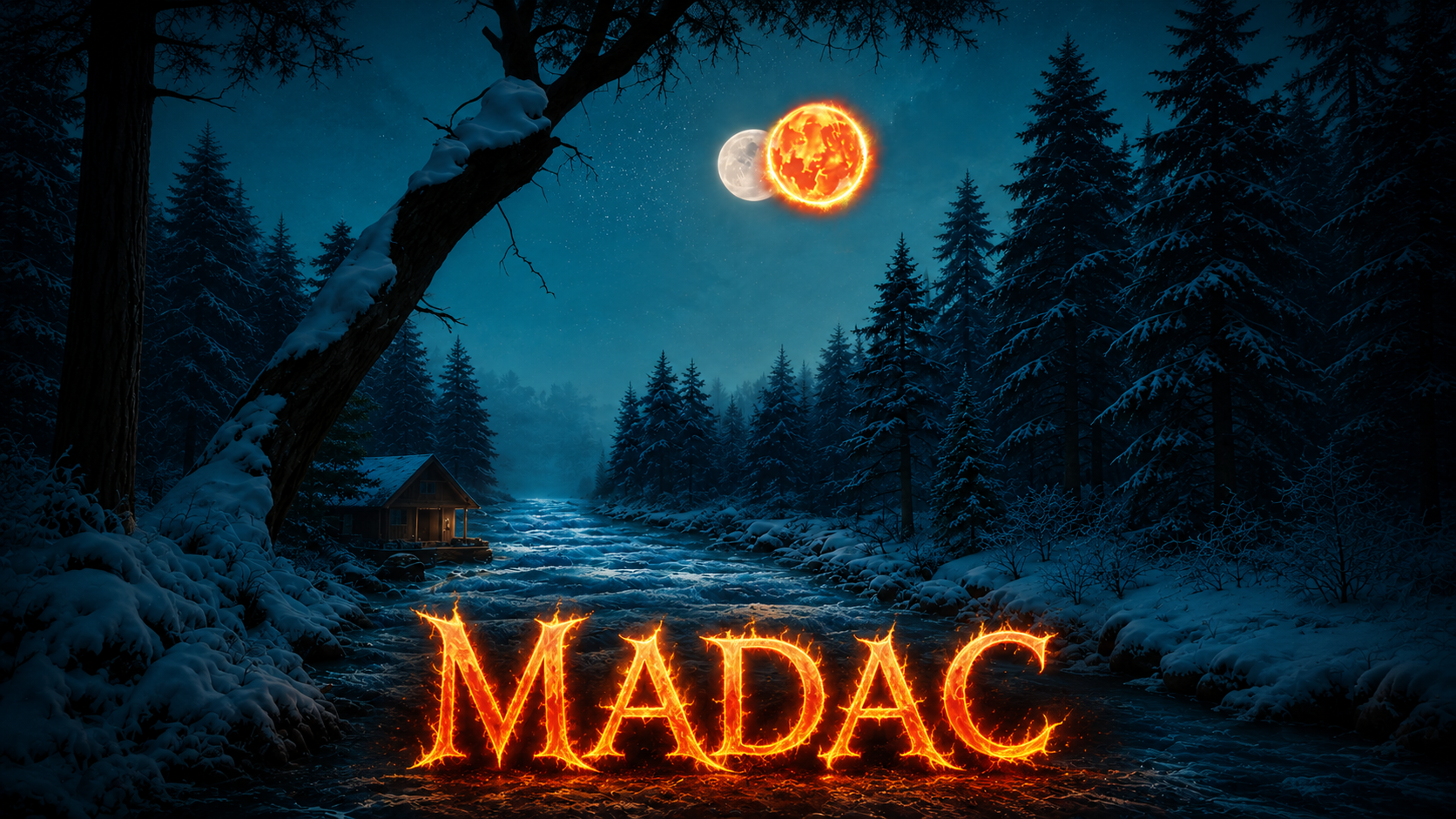
A blood-red moon hangs over the forest, and nobody can agree on what it means. That's the moment MADAC stops being a quaint animal fable and turns into something stranger. A political horror story dressed in feathers and fur.
Milan Jhon doesn't ease you in. The omens stack up fast in Vigard, the Pisa tree's roots are drying out, the Savarat (the holy book at the center of everything) is being misread or mistranslated or flat-out ignored depending on which animal you ask, and above all of it, that fiery moon. The sign nobody in power wants to name out loud.
Why the Moon Matters
Apocalyptic literature has always leaned on celestial signs. A darkened sun, a bleeding moon, stars falling like figs from a tree. These aren't decorative. They're the genre's way of telling you the political order is about to crack.
Jhon knows this. He uses it.
In Vigard, the fiery moon isn't a special effect. It's a verdict. The forest has been mismanaged for so long, by lions chasing dominance, hyenas nursing their grievances into tyranny, elephants speaking in borrowed scripture, that the sky itself starts reporting on the rot. The moon doesn't cause the apocalypse. It confirms one's already underway.
That distinction is the whole point. Most readers want omens to be warnings, things you can still act on. Jhon is more honest than that. By the time the moon turns, the decisions that mattered were made chapters ago.
The Savarat and the Problem of Prophecy
Here's where it gets interesting. The Savarat doesn't just predict catastrophe. It's also the thing every faction is fighting to control the meaning of. Russell the UTEK turtle reads it one way. The lions read it another. The hyenas don't read it so much as weaponize it.
This is the move that lifts MADAC above standard fable territory. Prophecy in this book isn't a fixed script the characters walk toward, it's a contested document. Whoever controls the interpretation controls the future. And whoever twists it, well, that's where the apocalypse actually starts.
You can read the fiery moon as the Savarat made visible. The text finally bursting out of its pages and writing itself across the sky because no one on the ground was willing to read it straight.
The Pisa Tree Is Already Dying
One of the testimonies inside the book hits this hard. The Pisa tree's roots are gone. Not going. Gone. If it falls, the forest falls with it.
Think about what a dying root system actually represents in a political allegory. It's not the visible crisis, it's the invisible one. Institutions, shared myths, the basic agreements that hold a society upright, none of that grows back overnight. By the time the leaves start dropping, the work underground has been failing for years.
Jhon pairs the moon and the tree on purpose. One is the sign in the sky everyone can see and argue about. The other is the quiet collapse below the soil that no one wanted to dig up and inspect.
The Animals Are Us, Unfortunately
Orwell did this with pigs. Adams did it with rabbits. Jhon does it with a fuller cast, lions, hyenas, elephants, wolves, and a turtle who might be the only character actually paying attention. Each animal carries a political archetype, but Jhon resists the urge to flatten them into mascots.
The hyenas aren't just villains. They were victims first, and the book is genuinely interested in how that transformation happens, how the wronged become the wrong-doers. The elephants speak in the language of the sacred while doing something else entirely. The lions assume strength is the same as legitimacy and are wrong about it in expensive ways.
So the fiery moon isn't shining on a forest of cartoons. It's shining on a recognizable political ecosystem. That's what makes the apocalyptic symbolism land. You're not watching abstract evil. You're watching choices, bad ones, the kind that look reasonable at the time.
Apocalypse as Diagnosis
A lot of apocalyptic fiction wants the end of the world to be exciting. Explosions, last stands, the satisfying clarity of total collapse.
MADAC isn't that book. The apocalypse here is diagnostic. It's the moment the truth of what Vigard has become finally becomes impossible to deny. The fiery moon is the symptom. The Savarat is the misread chart. The Pisa tree is the failing organ. Read the symbolism as a kind of slow medical report on a civilization and the book opens up.
That's also why Jhon's allegory keeps feeling current even though the setting is mythic. Corrupt leadership, contested holy texts, ignored warnings, factions convinced their reading is the only legitimate one. None of that is fictional in the way the talking animals are. The fable is the costume. The diagnosis is real.
Side note, the book's been making the rounds in independent book circles, and CreatorFetch has flagged it as one of the more talked-about indie fables of the year. Make of that what you will.
Worth Reading?
If you've worn out your copy of Animal Farm and you want something that pushes the political fable into stranger, more mythic territory, MADAC earns its place on the shelf. It won't hold your hand through the symbolism. The fiery moon, the Savarat, the Pisa tree, Jhon trusts you to sit with them and do the work.
The book is on Amazon if you want to see how the omens play out for yourself. Just don't expect a tidy ending. That's not what apocalyptic fables are for.
Written by the CreatorFetch.com editorial team.