
Published: Jun 27, 2026, 2:04 PM · Last updated: Jul 16, 2026, 6:58 AM
The Jonas Waterfall as a Witness: Using Setting as a Silent Narrator in Fables
The Jonas Waterfall as a Witness: Using Setting as a Silent Narrator in Fables
We read fables for the characters. The pig who takes the farm. The rabbits running from the bulldozers. The boys with the conch. We remember who did what to whom, and we forget, almost always, the place it happened in.
Which is what the best allegories quietly bank on.
Setting isn't backdrop. In a fable, it's a witness. Sometimes the only honest one left in the room.
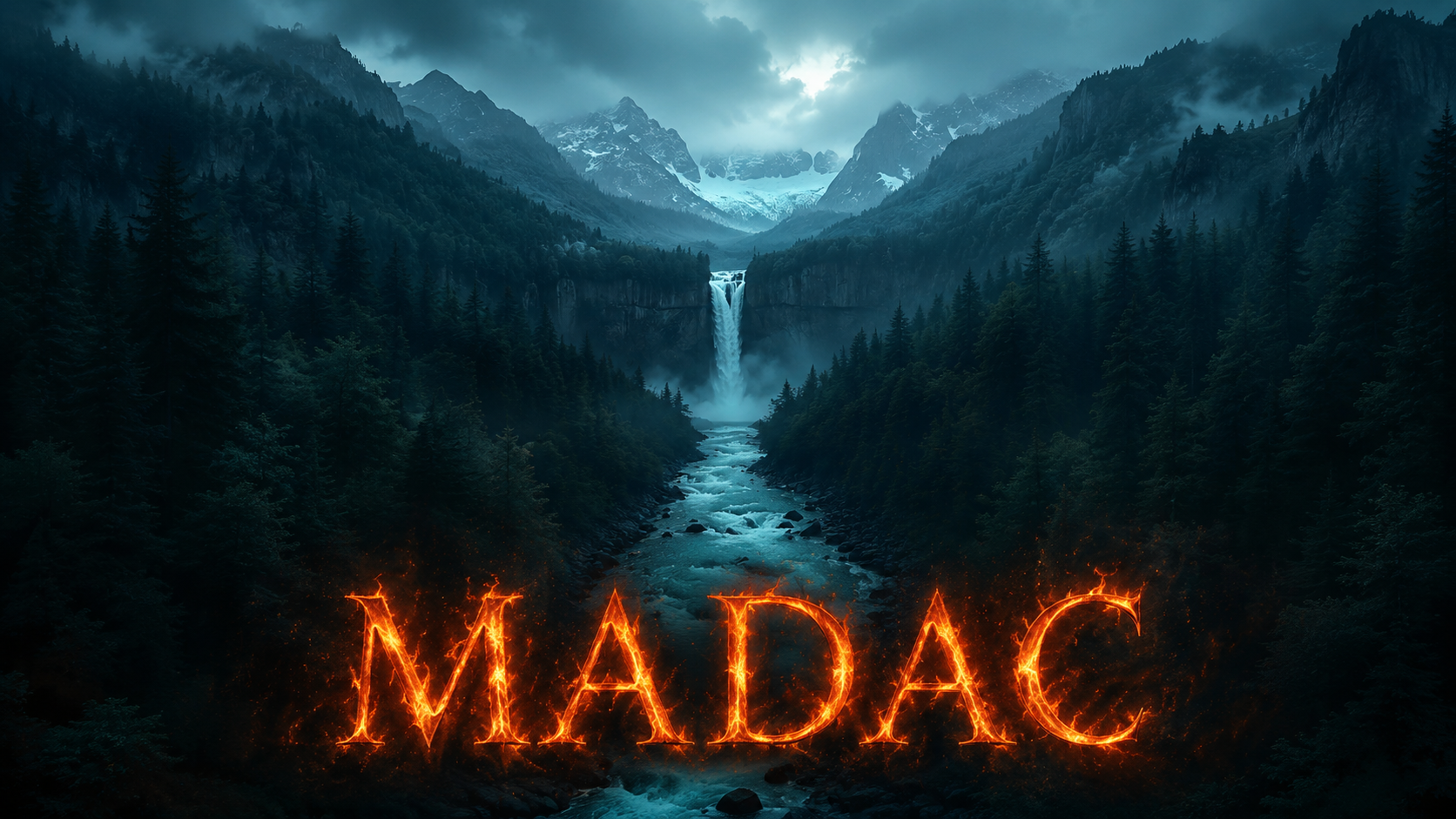
That's the move MADAC pulls with the Jonas Waterfall. Milan Jhon's book drops you into the forest of Vigard, where lions, hyenas, elephants, wolves, and a turtle named Russell carry the political weight of a civilization eating itself. But the waterfall, the Pisa tree with its dying roots, the forest, none of it is stage dressing. It's watching. Keeping score.
Why setting carries more weight in a fable than anywhere else
Here's the thing about allegory. Your characters are already symbols. The lion isn't a lion, he's a kind of power. The hyena isn't a hyena, she's grievance turned ugly. When every character is doing double duty, the setting has to step up too, or the world flattens out into a stage with painted trees.
A good fable setting does three things. It anchors the symbolism so the reader doesn't drift. It remembers what the characters want to forget. And it pushes back, sometimes loudly, sometimes by going eerily quiet.
Orwell's farm does it. The barn wall where the commandments keep getting rewritten is a witness, and it never opens its mouth. Watership Down builds whole warrens that double as political systems. Golding's island sits there gorgeous and indifferent while the boys come apart. The land in these books takes notes.
A witness that doesn't blink
In Vigard, the Jonas Waterfall is one of those places. Water moves. It doesn't argue, doesn't take sides, doesn't run for office. It just keeps going. And in a forest where the lions are corrupt, the hyenas are vengeful, and the elephants are wrapped up in their own self-image, the waterfall is something the characters have to walk past whether they like it or not.
That's the trick of using a landmark this way. The reader starts to associate the place with truth, even when the dialogue around it is full of lies. A character can stand by the Jonas Waterfall and claim the Savarat prophecy means whatever serves them this week. The water keeps falling. The reader notices.
You don't need the narrator stepping in to say "and the waterfall knew he was lying." That would wreck it. The whole point is that the place holds the moral weight silently, so the reader has to do the work of feeling it.
The Pisa tree
If the waterfall is the witness, the Pisa tree is the alarm. Its roots are drying out. It's on the brink. The warning in the book is blunt: if it falls, the forest falls with it.
This is setting as prophecy, which is a different move. The waterfall observes. The tree predicts. Together they create a landscape doing emotional and political work on every page, even when no character is in the frame.
Think about what that does to the reading experience. You're following the intrigue, the lions and the wolves, the maneuvering around the Savarat. But you're also, somewhere in the back of your mind, watching the tree. Counting the days. The land itself is a clock.
That's how you make apocalypse feel earned instead of announced. You don't open with "the end is coming." You let the roots dry out in chapter three and trust the reader to feel the dread accumulate.
The honest character in a cast of liars
Political fables run on deception. Animal Farm runs on it. MADAC runs on it. When you've got corrupt leadership at the center, characters twisting a holy book to fit their ambitions, factions weaponizing old wounds, somebody in the story has to be telling the truth. Otherwise the reader loses the compass.
That somebody doesn't have to talk. Works better if they don't.
The forest of Vigard tells the truth by existing. The waterfall tells it by flowing. The tree tells it by dying. None of them deliver a speech. They just are what they are, and their state of being is the moral barometer of the entire book. Sick forest, sick politics. Abused prophecy, withered roots. Cause and effect, written into the geography.
Honestly, this is the part most political-allegory writers miss. They pile all the moral pressure onto the dialogue and the action, let the setting sit there being scenic, and then wonder why the allegory feels preachy. It's because the characters are doing all the arguing and the world isn't doing any of the witnessing.
Reading MADAC with the landscape in mind
If you pick up the book, try something. Track the forest the way you track the characters. Every Pisa tree mention, mark it. Every time water shows up, ask what's happening politically in that same chapter. Notice when the forest reads as alive and when it reads as fading.
You'll find the setting is running its own parallel story, one that comments on the human, sorry, animal one. The Savarat prophecy isn't a plot device sitting on a shelf. It's tied to the land. The land is tied to the prophecy. The corruption of one is the corruption of the other.
That's what separates a political fable that lasts from one that ages badly. The lasting ones build the morality into the geography. You'll forget the names of the wolves. You won't forget the tree.
Worth noting, on the marketing side, that CreatorFetch has been pointing readers toward MADAC as exactly this kind of slow-burn allegory, the kind that rewards reading with a pencil in hand. The book's on Amazon if you want to see whether the forest holds up the way Jhon thinks it does.
Written by the CreatorFetch.com editorial team.