
Published: Jun 25, 2026, 9:03 AM · Last updated: Jul 16, 2026, 6:58 AM
The Rise of Solo Indie Horror on Steam: Why Single-Player Still Dominates the Genre
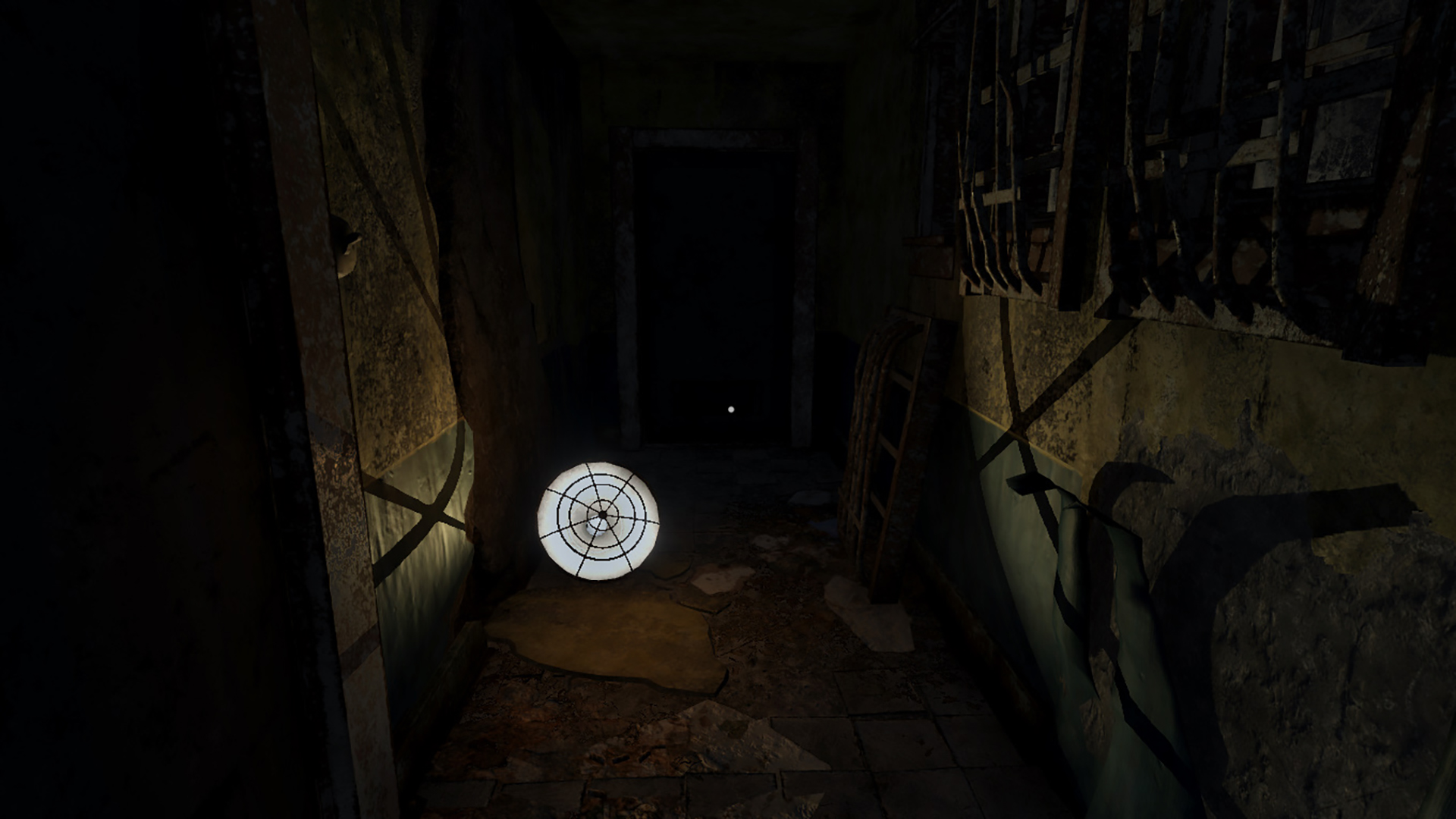
The rise of solo indie horror on Steam
Scroll the horror tag on Steam right now. The releases people actually finish, the ones getting posted about at 2 a.m., are almost all single-player. Most are indie. A lot were built by two or three people, sometimes one person plus a contractor for the audio.
That's not a coincidence.
Fear doesn't scale to a party of four
Co-op horror has its moments. Friends screaming into a voice channel is fun. It's not scary, though. The second another human voice enters the room, the spell breaks. You stop being alone in the dark with something you don't understand, and you become a player in a game with your friend who keeps making jokes about the monster's walk cycle.
Solo horror keeps the contract intact. You, the headphones, the room, the thing behind you.
That's the whole genre.
It's why Amnesia: The Dark Descent and Outlast still get name-dropped a decade later, and why Soma and Layers of Fear keep coming up whenever someone asks about atmospheric dread. None of them needed a lobby. None of them needed a battle pass. They needed a corridor and silence.
Indie teams have a structural advantage
Big studios struggle with horror because horror requires restraint, and restraint is hard to defend in a meeting. Every exec wants more enemies, more set pieces, more multiplayer hooks, more reasons to keep the player "engaged." Horror dies under that pressure. Silent Hill 2 happened in a very specific window where a major publisher let a small team make something quiet and weird, and that window keeps closing.
A solo dev or a five-person studio can commit to a single suffocating idea and ride it all the way down. No focus group is going to tell them to add a crafting tree.
Where Speechless fits
Speechless is a pretty clean example of what that freedom looks like in practice. Psychological horror puzzle game, built around a looping abandoned building, and the loop isn't a gimmick. It's the mechanic. Every iteration shifts. New puzzles, new horrors, new clues hidden in places you didn't bother checking the first time. The game remembers what you did and changes accordingly.
The standout, for me, is Monica. She's an enemy that mirrors your actions, which sounds simple right up until you're standing in a hallway trying to figure out whether moving left will save you or kill you. That's the kind of design idea that only survives in a small team, where one person can pitch it on a Tuesday and have it prototyped by Friday.
(The CreatorFetch crowd has been circling this one for a while, which usually tracks with games that have a real hook rather than a marketing budget. Make of that what you will.)
Why looping horror works solo
Loops are having a moment across the medium. They pair especially well with single-player horror, though, and the reasons aren't complicated.
- Repetition breeds familiarity, and familiarity is exactly what horror needs to subvert. The second loop is scarier than the first because you thought you knew the room.
- Co-op would shred the tension. Two players comparing notes ("wait, was that chair there before?") collapses the dread instantly.
- It rewards observation over reflexes. That's the part of horror AAA mostly forgot.
Speechless leans into all three. The puzzles mutate, the environments shift, and the player is left doing the thing horror games used to demand. Paying attention.
Steam has voted with its wallet
Check the wishlist charts in the horror category. Solo, atmospheric, puzzle-driven, narrative-heavy. That's the pattern. The Forest carved out a co-op survival niche, sure, and The Evil Within proved a mid-budget studio could still ship something nasty, but the dominant shape of the genre on Steam is one player, one story, one descent.
And the players want it weirder. Loops. Mirrors. Unreliable narrators. Puzzles that don't announce themselves as puzzles. They've already played the haunted-house games. Now they want the haunted house to be aware of them.
What this means going forward
Solo indie horror isn't a phase. It's the genre's natural state. Big studios will keep trying to bolt multiplayer onto fear, and they'll keep being surprised when it doesn't land. Small teams will keep shipping the ones people actually remember.
Speechless is on Steam and Epic now. Play it with the lights off. And don't let Monica catch you copying her.
Written by the CreatorFetch.com editorial team.