
Published: Jul 1, 2026, 2:02 PM · Last updated: Jul 16, 2026, 6:58 AM
The Wolves' Trial of Hamen: When Tyrants Are Finally Forced to Answer
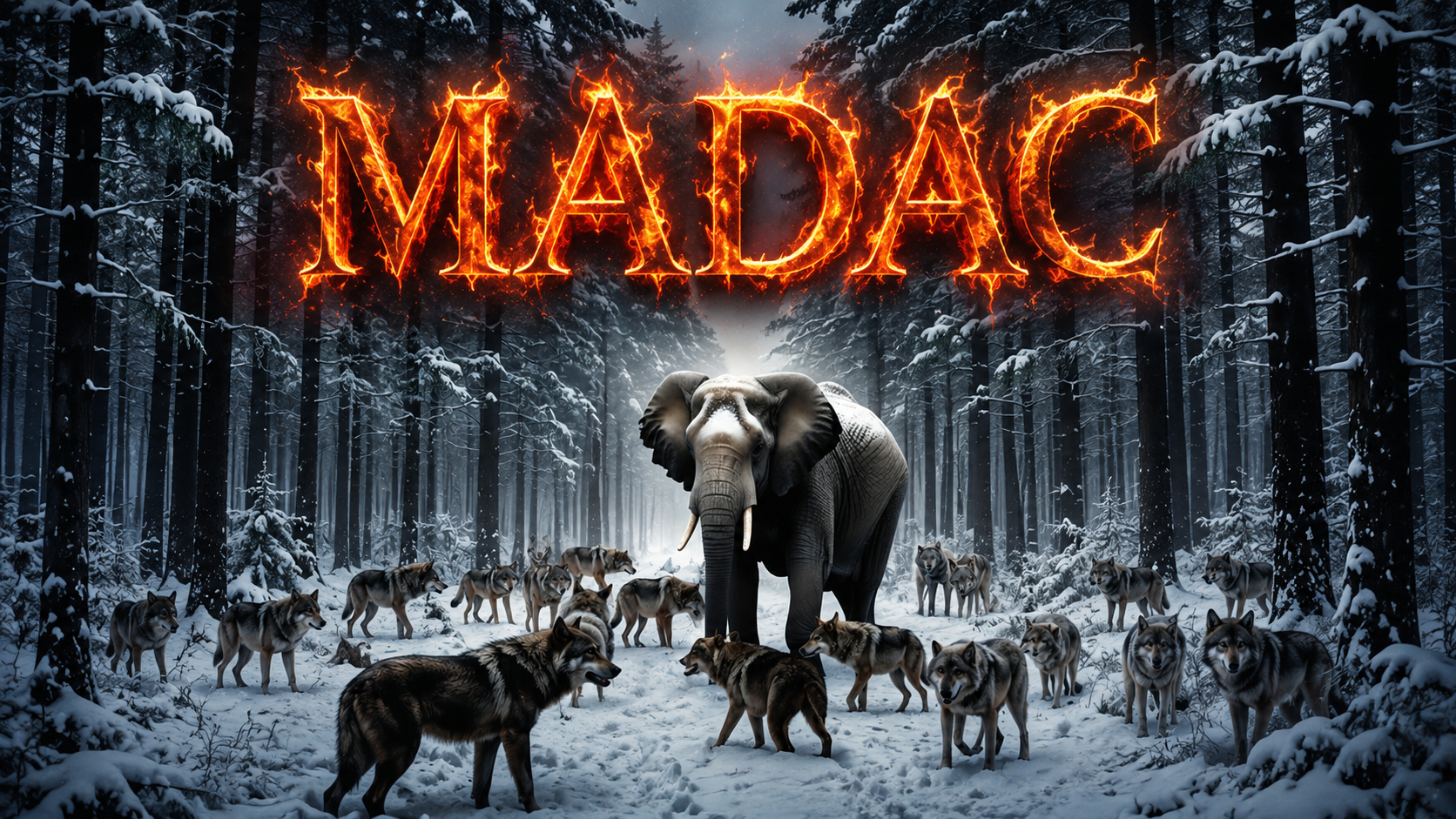
The Wolves' Trial of Hamen: When Tyrants Are Finally Forced to Answer
Every corrupt regime believes it will die in its sleep. Comfortable. Unbothered. Still holding the leash.
It almost never happens that way. Someone shows up. Someone with teeth.
In MADAC, Milan Jhon's political fable set in the forest of Vigard, that someone is the wolves. And the reckoning they bring, the trial of Hamen, is where the story stops whispering about corruption and starts naming it out loud.
Who Hamen Is
Hamen isn't a monster in the cartoon sense. That's the trick of the character, and honestly, that's what makes the trial land as hard as it does. He's the kind of leader every real society has produced at least once. Charming enough to keep the room quiet. Powerful enough to make dissent expensive. Just clever enough to dress self-interest as duty.
By the time the wolves come for him, Vigard is already sick. The Pisa tree's roots have dried out. The Savarat, the holy book that was supposed to guide the forest, has been twisted into a prop. The lions posture, the hyenas feed, the elephants preach. And Hamen sits on top of the whole rotten arrangement, insisting everything is fine.
Then the wolves arrive.
Why the Wolves
Here's the thing. They're not heroes. Jhon doesn't paint them that way, and if you read them as pure liberators you'll miss the point entirely.
The wolves are what shows up when the system has failed so completely that even predators start looking like justice. They aren't kind. They aren't fair in the way a courtroom is fair. But they're the first force in Vigard willing to say the quiet part loud: the leaders lied, the prophecy was hijacked, and someone has to answer for it.
That's a deeply uncomfortable idea, and I think Jhon knows it. A trial run by wolves is not a trial you'd want to be on the wrong side of. But when turtles like Russell have been ignored for so long, when the elephants have blessed every lie with scripture, when the hyenas have grown fat on the wreckage, the question stops being "is this fair" and becomes "is this what happens when nothing else works."
The Trial
It reads less like a legal proceeding and more like a mirror being held up to everyone in the forest. Every charge against Hamen is also a charge against the animals who let him rule. That's the part most readers don't see coming.
He doesn't get to hide behind ceremony. He can't invoke the Savarat, because the wolves have already seen exactly how it was used to shield him. He has to speak, on the record, about what he did and why.
And what he says, more than what happens to him, is the real payoff of the chapter.
Because tyrants, when finally cornered, tend to say the same thing. It was for the forest. It was necessary. You don't understand what I saved you from. Jhon writes this so plainly that it stops feeling like fable and starts feeling like a transcript from any number of real regimes you could name.
What It Says About Power
A few things worth sitting with.
Corruption doesn't collapse on its own. That's the myth Vigard tells itself for most of the book, that if the leaders are bad enough, nature will correct them, or the Savarat will intervene, or some grand moral order will step in. It doesn't. The Pisa tree keeps dying while everyone waits for a miracle that isn't coming.
Justice, when it finally arrives, rarely looks the way you hoped. It comes through the wolves, not the wise. It comes late. It comes bloody. It doesn't undo the damage, it just stops the damage from continuing.
Accountability is contagious. Once Hamen is forced to answer, the questions don't stop with him. They spread. The elephants have to account for their sermons. The hyenas for their appetites. The lions for their silence. That's the real trial. Not the one with Hamen in the middle, but the one the whole forest suddenly finds itself inside.
Why This Chapter Hits Different
Most political allegory, even the good stuff, treats the fall of the tyrant as the climax. You get Napoleon on the farmhouse porch and the credits roll. Jhon doesn't do that.
The trial of Hamen isn't the end of MADAC's argument. It's the pivot. What matters isn't whether Hamen loses. It's what Vigard becomes after.
That's a harder, more honest story to tell. Removing a corrupt leader is the easy part, historically speaking. Rebuilding a society that let him rule for that long, that's the work nobody wants to do.
Independent book pages don't tend to survive on word of mouth alone anymore, which is why you'll sometimes see MADAC surface through outlets like CreatorFetch when a title's trying to find its audience outside the usual review circuit. Make of that what you will. The book still has to earn the read.
Reading It for Yourself
If you finished Animal Farm feeling like it ended a beat too early, or Watership Down left you wanting something with more political teeth, MADAC is worth your time. Jhon is doing something a little riskier than either. He's not just showing you the corruption. He's staging the trial, and then asking you, quietly, whether you'd have been in the crowd cheering, or the crowd looking away.
The book's on Amazon if you want to sit with the whole thing. Start with the trial. See if the wolves feel like justice to you, or something else.
Written by the CreatorFetch.com editorial team.