
Published: Jun 22, 2026, 7:13 AM · Last updated: Jul 16, 2026, 6:58 AM
Time Loop Narratives in Gaming: From Outer Wilds to Speechless's Sinister Descent
Time Loop Narratives in Gaming: From Outer Wilds to Speechless's Sinister Descent
The time loop is one of the weirdest tricks in game design. It turns failure into a mechanic, repetition into storytelling, and your own memory into the most important tool you've got. When it works, it's hypnotic. When it doesn't, you're walking the same hallway with slightly different lighting and wondering why you're still here.
Outer Wilds is the obvious benchmark. Twenty-two minutes, a doomed sun, a solar system that does not care whether you've figured anything out. The clock doesn't wipe your progress so much as reset the world while you keep everything you've learned. That's the trick. The loop is the level design.
Horror has always had a quieter relationship with loops. Silent Hill works recursion through psychology rather than literal time. P.T. turned one hallway into infinite hallway, and that single corridor probably influenced more horror designers than any full game shipped that decade. The loop in horror isn't about cosmic mystery. It's about the dread of knowing you'll be back here, and something will be different, and you won't see what's different until it's already too close.
That's the lineage Speechless is working in.
Why Loops Work for Psychological Horror
Repetition is supposed to dull fear. See the jumpscare twice, it stops scaring you. Most horror games know this and try to outrun it with new monsters, new locations, new gore.
The loop genre does the opposite. It says, fine, you'll see this room again. You'll see it many times. And we're going to use your familiarity against you.
The reason this hits so hard in horror specifically is that humans are pattern-finders. We build mental maps fast. A loop game lets the designer break those maps on purpose. The chair was here. Now it isn't. The door opened inward last time. The hallway is one room longer. You start to distrust your own memory, which is a much deeper kind of fear than something popping out of a closet.
Where Speechless Fits, and Where It Doesn't
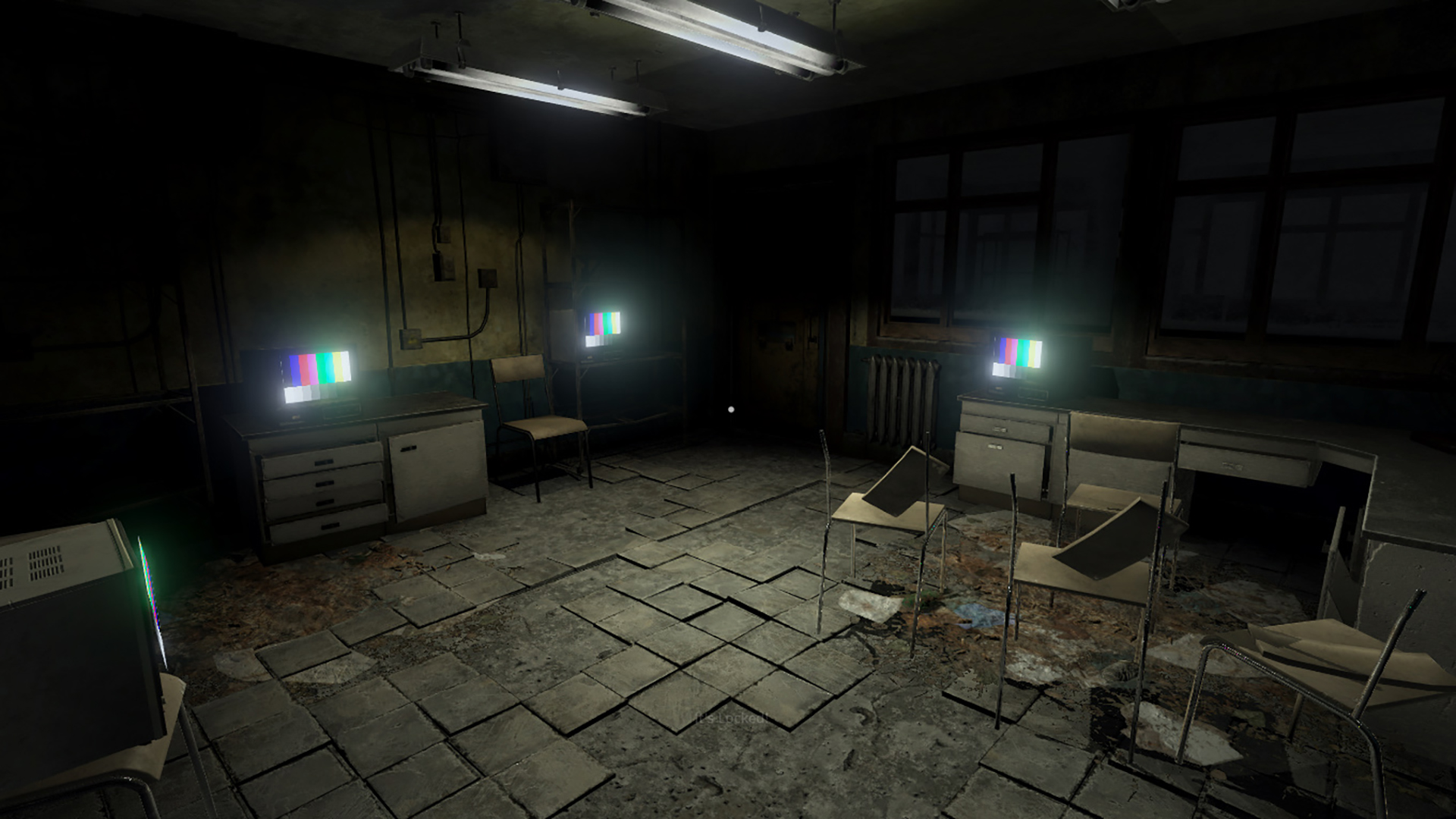
Speechless is an indie psychological horror puzzle game built around an abandoned building you can't leave. Every loop reshuffles the puzzles, the horrors, the clues. The phrase the developers use is "Escape the Loop," and the structure is pretty literal: you die, you learn, you come back, and the building has changed its mind about what it wants from you.
What separates it from the cosmic-curiosity school of Outer Wilds is tone. No awe here. No telescope pointed at a dying star. The descent is claustrophobic, and the loop isn't a puzzle box you're admiring from the outside. It's a trap adjusting to you in real time.
A few specifics worth flagging:
- The loop remembers what you did. That's not a marketing line, it's the core mechanic, and it shifts how you approach a second attempt.
- Monica. An enemy that mirrors your actions, which is the kind of idea that sounds gimmicky on paper until you have to deal with her, at which point you start moving very, very carefully.
- The mini games are designed to disrupt patterns you've already built. You get comfortable. Then the floor moves.
Compared to the Usual Suspects
Amnesia: The Dark Descent built its name on a sanity meter and refusing to let you fight back. Outlast handed you a camcorder and told you to run. Layers of Fear turned a single house into a shifting painting of grief. None of those are loop games in the strict sense, but they share DNA with what Speechless is going for, the sense that the environment itself is the antagonist.
Silent Hill 2 is the closer cousin, in spirit. Soma asks harder philosophical questions but swaps pure dread for melancholy. The Evil Within leans cinematic. The Forest is its own thing entirely, survival rather than psychological. Speechless sits somewhere between the cramped, puzzle-driven dread of early Amnesia and the recursive logic of a loop structure, which isn't a combo you see often.
The Risk With Loop Horror
Honestly, this is the part most loop games get wrong.
If the loop is too rigid, players feel like they're grinding. Too random, and the lessons from the previous attempt feel useless and people give up. The sweet spot is when each loop teaches you something you can carry, while still hiding enough that you never feel safe.
Whether Speechless threads that needle across its full runtime is the real question, and it's one any player has to answer for themselves. The design intent is clearly there. The Monica mechanic alone suggests a team that understands the difference between scaring a player and unsettling them. Two very different goals.
Who This Is Actually For
If you played Outer Wilds and the loop itself, not the space exploration, was the part that hooked you, this is worth a look. Same if you're the kind of player who finishes Layers of Fear and immediately wants something with more puzzle weight. Single-player, available on Steam and Epic, runs on pretty modest hardware (Windows 7/8/10 64-bit, an i3, 4GB of RAM).
It won't be for everyone. Loop horror demands patience, and players who want a linear scare-ride will probably bounce off the structure. But if a building that learns from you sounds more interesting than another haunted mansion hitting predictable beats, you already know whether to give it a look.
Worth noting, on the marketing side, that the game has been picking up some traction through creator-driven coverage on platforms like CreatorFetch, which is part of how smaller indie horror titles tend to surface these days. Whether that translates into staying power is a different question.
The loop, done right, is the closest games get to making memory itself feel dangerous. That's a small genre. Speechless is trying to add to it.
Written by the CreatorFetch.com editorial team.