
Published: Jul 14, 2026, 12:00 AM · Last updated: Jul 19, 2026, 2:30 AM
Urban Strife
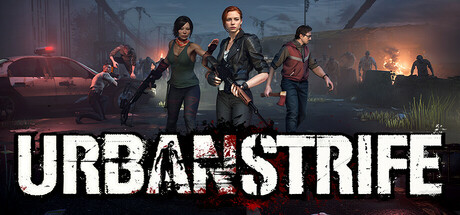
The zombie tactics game that actually cares where your bullets go
Most turn-based games treat a bullet like a coin flip with extra steps. Roll under your hit percentage, deal damage, move on. Urban Strife doesn't do that, and that one design decision is what separates it from the pile of X-COM-likes that wash up on the store every quarter.
On paper it's familiar. Old-school isometric tactics, action points, interrupt fire, a zombie apocalypse somewhere in the American south. White Pond Games has been building it under the MicroProse banner, kicking around Early Access ahead of a full launch currently pegged for July 2026 on Steam. But look past the elevator pitch and it's the ballistics that grab you.
Every shot follows a simulated trajectory. Shotgun spread gets calculated pellet by pellet, not as one lump of "shotgun damage." Grenades throw fragments that each travel their own path. And cover isn't a binary half-wall icon. It depends on what the cover is made of, how thick it is, the angle you're firing from. Duck behind a car engine block and most calibers won't touch you. Some drywall between you and a guy taunting you? Put a hunting rifle round through it and the taunting stops.
That's a lot of math running under a genre that usually hides everything behind a clean percentage. Urban Strife still hands you the percentage, plus a damage estimate that factors in bullet attenuation before you commit. So you're not flying blind. You just know the number is the surface of something much messier.
Feeding people is a mechanic, not flavor text
The survival layer is where the game shows its hand. You're not a chosen hero. The intro makes a point of it. You're a half-dead patient the CDC pulled out of an Atlanta lab right before the city collapsed, and you only live because a bunch of tired old suburbanites at Urban Shelter decide you're worth saving. No prophecy. Just people who still keep apple pie on the menu at the end of the world.
From there it's base management with teeth. Haul loot home, patch up your wounded, repair guns that jam and degrade, brew booze, keep a community fed that's mostly too frail to fight for itself. The site talks up an in-game economy, a black market, faction traders, and crafting split between quick bushcraft (Molotovs, improvised junk) and fancier recipes you only unlock by poking into hidden zones or getting on a faction's good side.
Reputation isn't cosmetic. It spreads across the whole county. Help the wrong people, burn the wrong bridge, and word travels. Gangs, soldiers, cultists, refugees, and the undead who don't care about any of it, they all respond to who you've been.
Stealth, or a very loud alternative
Combat gives you two honest paths and punishes you for treating them the same. Firearms are loud, noise pulls more enemies, and the game openly warns against aggroing an entire map unless you enjoy being surrounded. Stealth runs on dynamic sight and hearing ranges with an AI alert model, which means silenced pistols, crossbows, and going full melee with whatever's lying around (grandma's frying pan gets a specific shout-out, so does a spiked bat) are actual tactics instead of gimmicks.
Overwatch ambushes. Initiative rolls that decide whether you strike first or get interrupted. Body-part targeting to cripple a limb or gamble on a headshot. It's the vocabulary tactics veterans know cold, wired into a system simulating more than it strictly needs to. Whether that depth stays fun across a 40-hour campaign is the open question, and it's the one every reviewer keeps circling.
The early coverage tells you exactly who this lands for. The channels poking at it lean hard into the sim-purist crowd. One review framed its whole test around whether the simulation "still feels believable when pushed." Others come at it from the scavenging-RPG angle, comparing the mood to Dead State and similar slow-burn survival games. Nobody's calling it a casual pick-up. The community forming around it reads patch notes about zombie initiative fixes and salvaging tweaks for fun, which tells you plenty.
The modding angle nobody's talking about yet
One detail that skips the Steam bullet points but sits right there on the official site: a dedicated Modding SDK. That's a real signal. A game shipping tools for its own community is planning for a long tail, and for a tactics sim this dense, mods are how these things survive for years. Total-conversion campaigns, custom factions, ballistics-tuned weapon packs. The stuff a small studio can't build alone but a devoted playerbase will.
The devblog is unusually active too. A run of hotfixes covering UI text overflow, perk balance, language settings. Unglamorous plumbing, but it's a studio iterating in public rather than going dark until launch.
Why a broad launch would sink this
A game like Urban Strife has no business chasing a mass-market splash, and trying would probably bury it. The people who want per-pellet ballistics and noise-based stealth aggro aren't the same people scrolling for the next flashy open-worlder. A generic wide push spends money reaching folks who'll bounce in ten minutes while missing the ones who'd sink two hundred hours into it. The realistic path runs through the niches already circling: turn-based tactics YouTubers, milsim and ballistics-focused sim channels, survival-crafting streamers, and the modding-curious CRPG crowd who'll actually open that SDK. Hitting those specific creator pockets at the right moment, instead of blasting a trailer at everyone, is the difference between a launch week that builds a community and one that evaporates into the Steam release firehose. That's the kind of targeted creator matchmaking CreatorFetch exists to run for studios this size.
Full release is still a way off, and Early Access reputations can swing hard between now and then. But the foundation here isn't marketing vapor. It's a genuinely unusual combat model wrapped in a survival game that seems to mean it when it says you'll have to choose who lives. If the moment-to-moment shooting holds up under all that simulation weight, White Pond Games has something the genre doesn't get very often. If it buckles, it'll be a fascinating near-miss. Either way I want to see which one it turns out to be.