
Published: Jul 16, 2026, 12:00 AM · Last updated: Jul 17, 2026, 2:35 AM
Welcome to the Game III
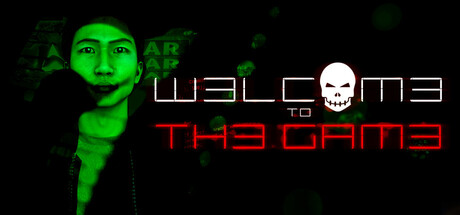
The dark net simulator nobody asked to be nice
A decade after the first one crept onto desktops as a jump-scare gimmick wrapped in a fake Deep Web tour, Reflect Studios is back. Welcome to the Game III keeps doing the thing the series has always done well, which is making you feel like you shouldn't be touching any of this. The premise Simon fans know is intact. A debt you can't pay, a game you're forced to play, a fictional dark net full of people who'd like you dead. Out July 16, 2026, and already up on Steam for wishlists.
On paper the pitch is barely different. You crawl through 52 fake websites, pick apart source code for hidden keys, and assemble the pieces that clear your debt before the clock or some psycho gets you first. The framing around it is where things shifted.
It's a competition game now
Four interactive NPCs are racing you for the same prize. That one decision hauls the whole thing out of straight survival horror and into something closer to a mean little strategy game with the lights off.
You're not just hiding under the digital floorboards. Now you're weighing when to spend your DOSCoin on your own progress versus when to knock a rival down. Pay to slow them. Pay to remove them for good. And they can do every bit of that back to you, so any coin you're hoarding is a coin someone else might spend to end your run. It's resource management in a horror mask. Which, honestly, is a smarter hook than "there's a scary man in your house."
Hacking splits into offense and defense. Counter-hacking pays out in DOSCoin. Firewall upgrades stop intrusions but eat the payout you'd have earned by countering. Old risk trade. Turtle up and stay safe and broke, or hang yourself out there and cash in. The minigames run on reaction speed, typing, and puzzles, so the difficulty isn't some abstract number. It's on your fingers.
What the series baggage actually means
The thing about a Welcome to the Game sequel in 2026 is that the audience already knows if they can stomach it. The first two earned a reputation as some of the most punishing horror-adjacent games on Steam. The kind where one slip near the end torches an hour of tense progress. Feature to the people who love it. Brick wall to everyone else.
Reflect knows this. The Steam page mentions checkpoint saving, but only on Normal. That tells you plenty about how the studio sees its own game. Normal is the concession. The harder modes are still built to wear you down. There's also a slot machine tucked in for gambling your in-game currency, which is either a fun little pressure valve or a cruel joke, depending on how the night's going.
They've been at this since 2016. The back catalog on their site, Dead Signal, Scrutinized, the two prior Welcome games, is a studio that's stayed in one lane on purpose. Paranoid, webcam-adjacent, watch-the-shadows horror. Nobody here is chasing mass appeal. They're refining a specific and slightly masochistic itch.
The community is the marketing
Early streamer coverage tells you how this series actually lives. The names circling the launch are the horror-endurance crowd, the people who've built whole channels on suffering through hard games on camera while chat watches them crack. Their videos aren't framed as "look at this cool game." They're framed as "can I finally beat one of these." Which is pretty much the whole appeal, packaged as a personal dare.
Not an accident either. This has always been as much a performance game as a play-it-alone game. The tension reads great on a stream, the failures are funny to an audience, and the "one more run" desperation is exactly the long, reactive session that keeps a Twitch chat locked in. That Simon-gets-mocked-at-the-ending beat one creator flagged? Only lands with people watching you take the hit.
Why a broad push would just burn money
Market this wide and it dies. A horror-competition-hacking-sim hybrid is a narrow taste, the difficulty actively filters people out, and the fake-dark-net look reads as either fascinating or gross with almost no middle. Dumping generic ad spend on a broad Steam crowd for something this pointed is how indie studios set cash on fire and end up with a wishlist full of people who'll never buy.
The realistic path is the one Reflect basically fell into on its own with the first two games. Hand it to the exact creators whose entire identity is horror endurance streams, reaction-heavy Let's Plays, paranoid-atmosphere stuff, and let their audiences sort themselves. That's a targeting problem, not a budget one. It's the kind of niche creator matchmaking something like CreatorFetch exists to systematize, so a studio isn't just praying the right five streamers happen to spot a launch in the July firehose.
The Content Creator Program link sitting on Reflect's own site suggests they already get this in their bones. The whole franchise was arguably built on YouTube and Twitch reactions long before wishlists meant anything.
So where does that leave the third one? More mechanically ambitious than what came before. The rival-NPC race gives it a real strategic spine. The difficulty is still clearly designed to hurt. Whether the competition layer deepens the tension or just piles bookkeeping onto an already stressful loop is the thing July has to answer. If you bounced off the first two for being unfair, nothing here changes your mind. But if racing four hostile strangers through a hostile internet while somebody hunts you sounds good, well, this one's aimed straight at you.