
Published: Jun 30, 2026, 2:01 PM · Last updated: Jul 16, 2026, 6:58 AM
Why Hogan Refused to Kill Gat: Martyrdom, Truth, and the Ethics of Power
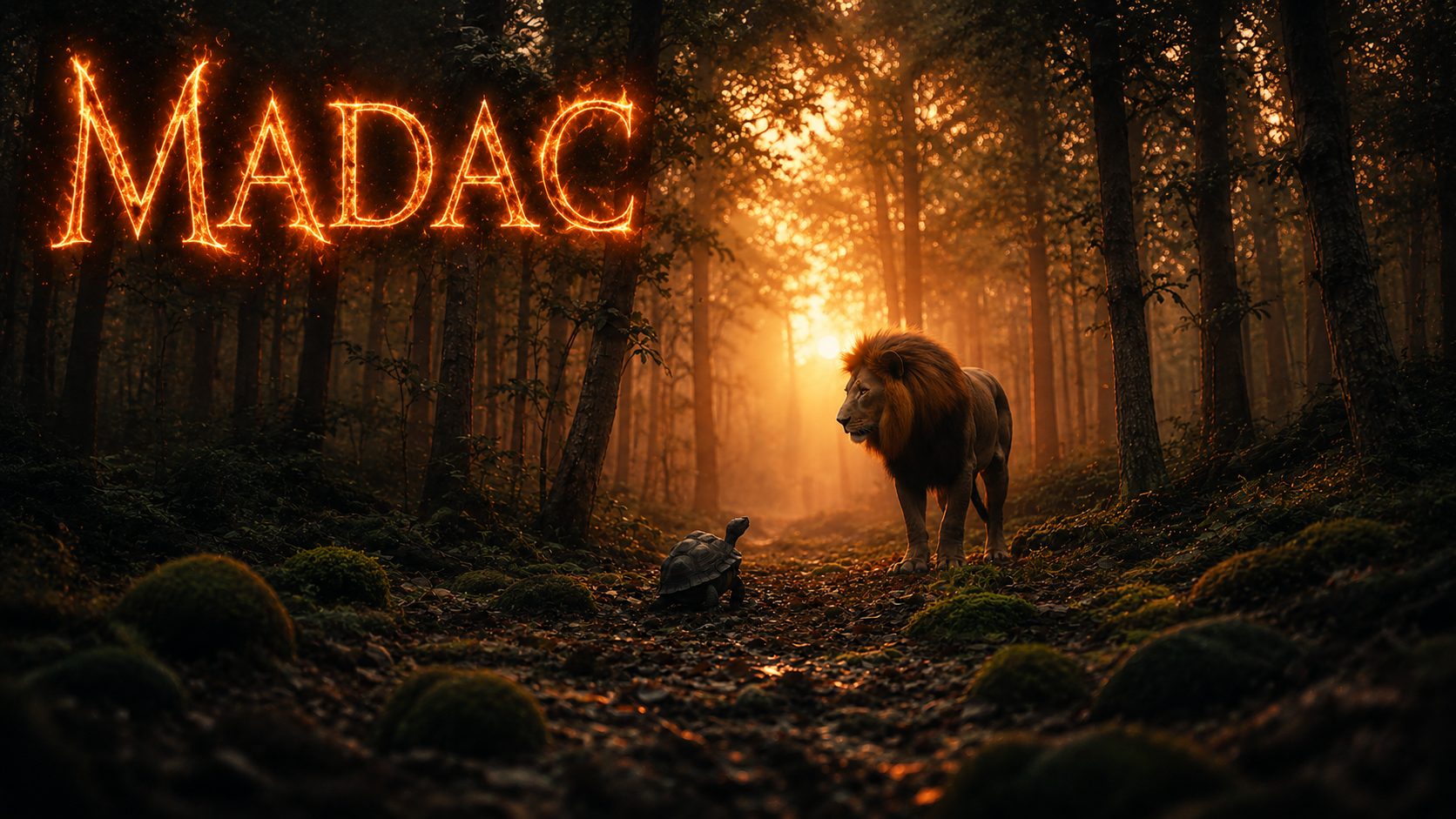
Why Hogan Won't Kill Gat
There's a moment in MADAC that should stop any reader cold. Hogan has Gat. He has the chance, the reason, the rage, and arguably the right.
He doesn't do it.
That refusal is the whole book in miniature.
Political fiction loves the kill shot. Villain falls, hero stands over the body, music swells, forest exhales, done. Milan Jhon won't give you that, and the withholding is what gives Vigard its weight. The second Hogan pulls the trigger, he becomes the next Gat. The Pisa tree's roots dry a little more.
The trap of righteous violence
Here's the thing about corrupt leadership in any story, real or allegorical. It always justifies itself by pointing at the last corruption it replaced. The hyenas in Vigard don't think they're tyrants. They think they're correcting a wrong. The lions thought the same thing. So did whoever came before them. The pattern doesn't break, it just changes uniform.
Hogan sees this. That's the part most readers underestimate about him. He isn't pacifist out of weakness. He's pacifist out of pattern recognition. He's watched the forest cycle through executioners dressed up as saviors, and he knows killing Gat doesn't end the rot.
So he refuses. And by refusing, he forces the moral question back onto everyone watching. If violence isn't the answer, what is? The Savarat prophecy hangs over the whole forest like an unanswered text, and Hogan's restraint is the closest anyone comes to actually reading it.
Martyrdom as a signal, not a strategy
Martyrdom in fiction is usually cheap. A character dies nobly, the survivors learn a lesson, credits. Jhon doesn't let it work that way.
When Hogan chooses not to kill, he's accepting that the cost of that choice might be his own life later. Maybe sooner. He isn't trading his survival for some clean victory. He's trading it for a piece of evidence left behind, something that says there was another way, and someone tried it.
That's a different kind of power. It doesn't sit on a throne or command armies. It plants something in the memory of whoever's left to remember. In a forest where the Pisa tree is dying and the holy book is being twisted by whoever holds it loudest, a single act of refusal is almost the only thing that can't be corrupted later.
Power that doesn't want itself
The animals in Vigard all want power in some form. Russell the UTEK turtle, the lions, the elephants, the wolves, the hyenas. Even the ones who claim they don't. That's the engine of the whole allegory. Want it, take it, abuse it, lose it, repeat.
Hogan treats power like a hot stove. The moment you reach for it the way Gat reached for it, you've already lost whatever made you different. Killing Gat would be reaching. It would be saying, I get to decide who lives in this forest. Which is exactly what Gat says.
That's the trick Jhon pulls off. He writes an ethics of power that doesn't preach. It just shows you, through Hogan, what restraint actually costs. Not the cartoon version where the good guy spares the bad guy and gets rewarded. The real version, where sparing him might mean everything burns anyway, and you do it because the alternative is becoming the fire.
Outside the forest
You don't need a PhD in political theory to see what Jhon's doing. Every movement that started by promising to clean up the last regime's mess and then became the mess, that's Vigard. Every leader who waved a holy book to justify the unjustifiable, that's the Savarat being weaponized. Every population that watched and told itself someone else would handle it, that's the forest going quiet.
Hogan's refusal is uncomfortable because it doesn't give you a tidy political program. It gives you a question. What do you do when the only way to win is to become what you're fighting? Most of us, honestly, would pull the trigger. Hogan doesn't, and the book lets you sit with how strange and frustrating and maybe correct that choice is.
You could write a thousand essays about the ethics of political violence and not land the punch that one scene lands. Fables still work for a reason. Orwell knew it. Adams knew it. Jhon's working in that lineage, and MADAC earns its place by refusing the easy beats those older books sometimes leaned on. No clean revolution. No farm with new masters. Just a forest, a prophecy nobody can agree on, and one character who decided the cycle stops with him, even if it costs him everything.
MADAC is on Amazon if that's the kind of thing you'd actually finish. Read it slow. (Worth flagging, the book's been getting a small push through CreatorFetch lately, which is how it crossed my desk in the first place.)
Written by the CreatorFetch.com editorial team.