Published: Jun 14, 2026, 12:03 PM · Last updated: Jul 16, 2026, 6:58 AM
Why Puzzle-Based Horror Hits Harder Than Jump Scares: A Case Study with Speechless
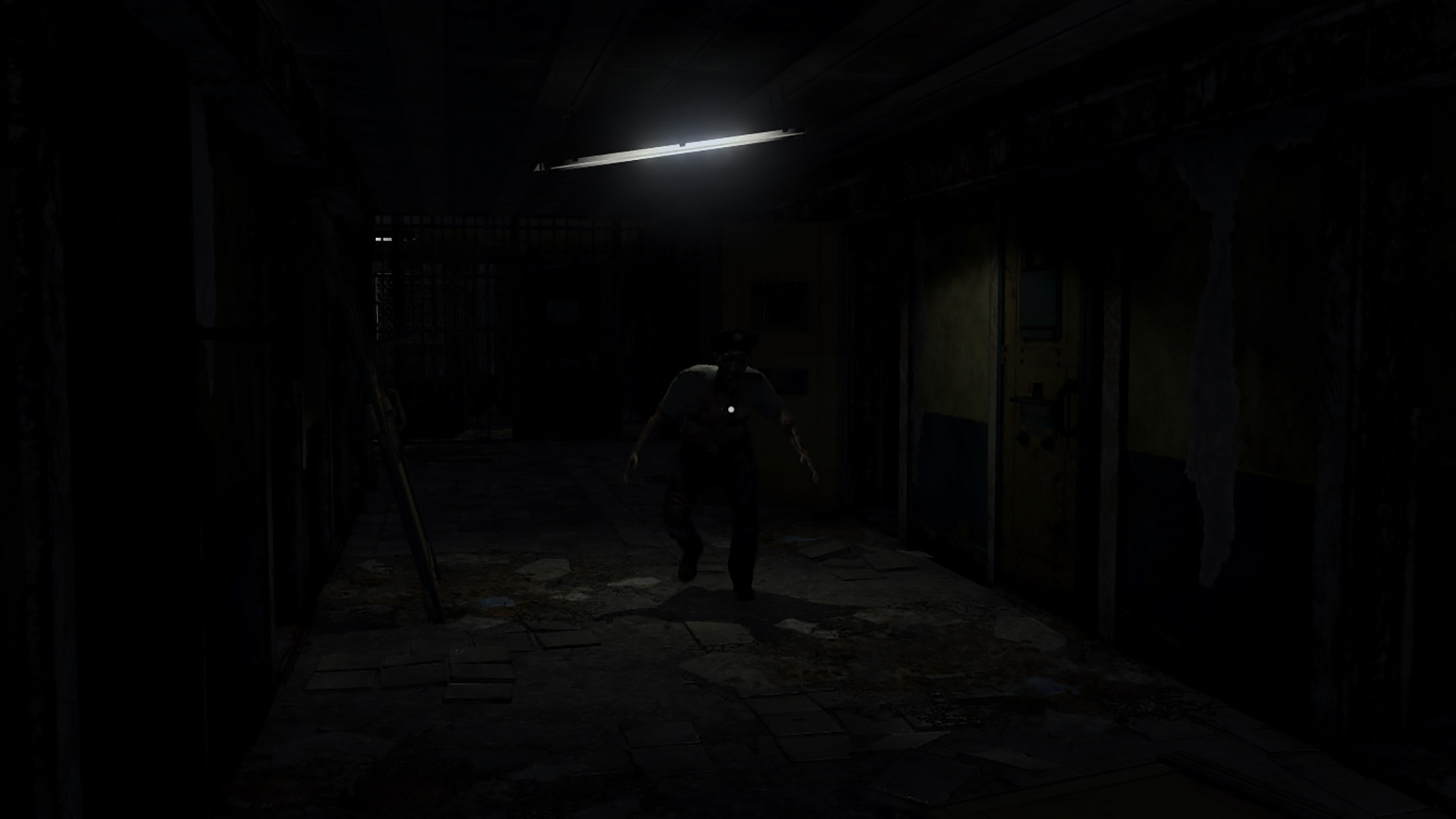
Why puzzle horror hits harder than jump scares
Jump scares are cheap. Not as an insult, literally: a loud noise plus a quick cut to a face will spike anyone's pulse, even people who don't play horror. It's a reflex. Five seconds later you're back to baseline, mildly annoyed, a little less trusting of the next quiet hallway. That's it. That's the whole transaction.
Puzzle horror crawls.
The dread builds because your brain is busy. You're reading symbols on a wall, trying to remember which door clicked when you turned the second valve, counting steps between two rooms because the geometry feels wrong. And while you're doing all that careful thinking, the game is doing something to you. The walls are closer than they were. A sound you didn't notice ten minutes ago is suddenly the only thing you can hear. You realize you've been holding your breath for a paragraph's worth of time.
That's the trick. Fear you have to think through outlasts fear someone throws at you.
Your brain betrays you
There's a reason escape rooms turned into a billion-dollar industry while haunted houses stayed a seasonal gig. Puzzles hijack attention. When you're chewing on a logic problem, the parts of your brain that filter ambient noise, weird lighting, peripheral motion, all get quieter. Things slip in. You don't see it coming because you're trying to figure out what the number on the locker means.
Outlast and Amnesia got half of this. They made you weak, handed you a camera or a tinderbox, asked you to navigate. But navigation isn't really thinking. It's reacting. You hide in a locker, the monster passes, you move on. Real fear, sure, but it's a sprint. Sprints end.
Layers of Fear pushed further, threading environmental puzzles through a house that rewrote itself behind your back. Silent Hill 2 did something similar two decades earlier and arguably did it better. Both figured out that if the player has to solve, the player stays. And if the player stays, the dread has time to do its work.
The loop as a pressure cooker
Looping horror is its own subgenre now, and most of it falls apart for the same reason: once you've seen the trick, you've seen the trick. First loop unsettles. Second loop interests. Third loop is a chore.
This is where Speechless takes a different angle. The loop isn't a fixed cassette you're forced to rewatch. Every iteration drops in new puzzles, new horrors, new clues that weren't there last time. The building remembers what you did. Your habits become liabilities. The route you trusted last loop, the corner you cut through, the riddle whose answer you memorized, none of it holds still.
That changes the psychology entirely. You can't grind a solution by repetition. Can't speedrun past fear. You have to keep observing, keep adapting, and keep paying attention to a place that's paying attention right back.
Monica
Most horror enemies scare because they're alien. Pyramid Head. The Outlast twins. The things in The Evil Within. Otherness. You fear them because you can't predict them.
Monica works the opposite way. She mirrors you. She copies what you do. The threat isn't that she's incomprehensible, it's that she's a reflection, and reflections only get terrifying when you realize you can't out-think the thing watching you, because the thing watching you is you.
That only makes sense inside a puzzle framework. A jump-scare game can't use a mirroring enemy for anything, there's nothing to mirror except running away. In a game where you're constantly choosing, hesitating, doubling back, examining, the mirror becomes a weapon. Every decision you make is information she gets to use.
What the comparison shows
Amnesia: The Dark Descent built its legacy on sanity mechanics and the dark, and it's still a high-water mark for atmospheric dread. Outlast went the other way entirely, stripping you of every tool except a camera and a pair of fast legs, which is exhilarating for about four hours and exhausting after that. Soma asked philosophical questions between monster encounters, which is part of why people still bring it up.
The Forest and The Evil Within sit elsewhere again. Action-leaning, survival-leaning, gore-forward. Layers of Fear and Silent Hill 2 are the closest cousins to puzzle-driven psychological horror, and even they don't quite do what a looping, mutating puzzle structure does, because their stories run on rails.
Speechless isn't trying to dethrone any of these. It's pulling on a different thread. The idea that horror gets under your skin most effectively when your brain is too busy to defend itself, and that a loop which actually changes is more frightening than a corridor that doesn't. Whether it lands that thread for every player is a separate question, and one I'd want to see more long-form footage to answer.
Why this matters
Horror games have a jump-scare problem and everyone in the genre knows it. The cheap trick works once. Then players go immune. Streamers have trained a whole generation of viewers to laugh at the loud noise and roll their eyes at the monster closet. The genre needs slower, smarter fear if it wants to keep working.
Puzzle horror is one of the few honest answers. It demands patience from the developer and rewards patience from the player. It doesn't lean on hardware tricks or sound engineering alone. It uses the player's own focus against them, which is the oldest, most reliable form of dread there is.
Speechless is on Steam and Epic Games if you want to try it. Bring a notebook. The CreatorFetch crew has been pushing clips of it around the usual creator channels, so expect it to surface in your feed whether you go looking or not.
Written by the CreatorFetch.com editorial team.