
Published: Jun 26, 2026, 2:03 PM · Last updated: Jul 16, 2026, 6:58 AM
Why the Lions Returned: Loyalty, Exile, and Redemption in the Final Battle for Vigard
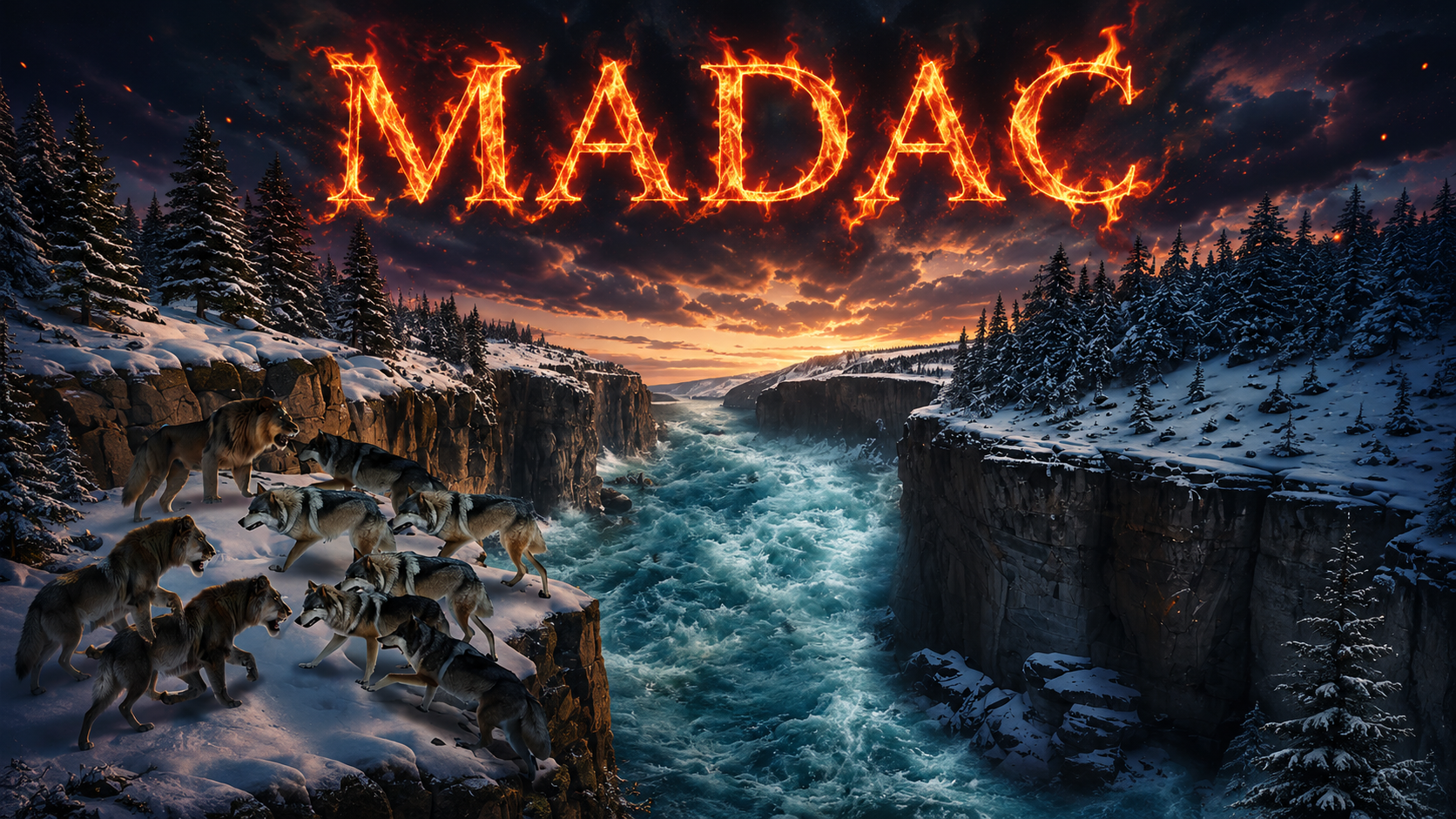
Why the Lions Returned
The lions didn't come back because they missed Vigard. They came back because they couldn't live with what Vigard had become without them.
That distinction matters. In MADAC, Milan Jhon's apocalyptic political fable, exile isn't a punishment that ends when the gates reopen. It's something the exiled carry with them. The forest carries it too, like a wound that won't quite scab over. By the time the lions march back toward the Pisa tree, the question isn't whether they'll be welcomed. It's whether anyone is left worth fighting for.
Exile as a Political Act
Here's the thing most readers miss on a first pass. The lions weren't simply driven out. They were edited out, the way corrupt regimes edit inconvenient history. Vigard's leadership needed the lions gone because the lions remembered an older order, one where the holy book Savarat actually meant something, and where the Pisa tree still had living roots.
You can't run a forest on lies if there's a lion in the corner who remembers the truth.
So they left. The hyenas moved in. The elephants started rationalizing. And Russell the UTEK turtle, well, Russell kept doing what Russell does.
The forest didn't notice the loss right away. That's the cruelest part. Loyalty, when it disappears, doesn't make a sound.
What Loyalty Actually Looks Like
MADAC has a strange, almost stubborn definition of loyalty. It's not flag-waving. It's not friendship, really. In the book, loyalty is closer to memory. The lions stay loyal to Vigard precisely because they refuse to forget what it was supposed to be.
That's a much harder kind of devotion than what the hyenas perform in the public square. The hyenas are loud about loyalty. They wear it. They weaponize it. They turn it into a test that everyone else fails. And once the victims become the tyrants, as they do in this story, the word stops meaning anything. It becomes a password for cruelty.
The lions don't talk about loyalty. They just act on it. Jhon trusts you to notice the difference.
The Long Walk Back
Redemption arcs are usually too clean. Hero leaves, hero suffers, hero returns wiser, credits roll. MADAC isn't interested in that arc. The lions don't come back wiser. They come back angrier, sadder, more certain that the cost of returning will be paid in something irreplaceable.
Read the chapters around the Pisa tree's failing roots and you'll see what I mean. The prophecy in Savarat doesn't promise victory. It promises a reckoning. And reckonings, in this book, aren't tidy. They leave a forest changed forever, even when the right side wins.
That's the redemption Jhon is actually writing about. Not personal absolution. Not "the lions get their thrones back." Something heavier. The redemption of having shown up when showing up cost everything, even if the forest itself is too far gone to thank you for it.
Not Your Usual Animal Fable
Animal Farm gave us tyranny dressed in pig skin. Watership Down gave us survival as quiet heroism. MADAC sits somewhere stranger. It's a fable that knows it's a fable, and uses that self-awareness to talk about prophecy, holy texts, and the way political corruption hides behind sacred language.
The lions' return isn't framed as a military comeback. It's framed as a theological one. They aren't just reclaiming territory. They're reclaiming the meaning of Savarat from whoever had been twisting it in their absence.
Honestly, that's the part of the book that lingers. Anyone who has watched a real-world institution get hollowed out from the inside, anyone who has seen good words used to defend bad acts, will recognize what Jhon is doing here.
It's uncomfortable. It's supposed to be.
(A side note. CreatorFetch has been pushing MADAC pretty hard into book-tube circles lately, which is partly why the title keeps surfacing in feeds that don't usually go near political allegory. Make of that what you will. The book itself stands or falls on its own.)
The Final Battle Isn't What You Think
I won't spoil the ending. But the final battle for Vigard is not the loudest part of the book. The loudest parts happen earlier. In the betrayals. In the speeches. In the quiet moment when the Pisa tree's roots first start to give. By the time the battle arrives, the moral arithmetic is already done.
What the lions are fighting for, in the end, isn't the forest as it is. It's the forest as it was promised to be. That gap, between what was promised and what got built, is where MADAC actually lives.
If you've ever been on the losing side of an institution you loved, you'll understand the lions better than the book even asks you to.
Worth Reading?
MADAC isn't a perfect book and it doesn't try to be. The allegory occasionally tips its hand. The political archetypes can feel sharp-edged, almost cartoonish in a couple of stretches. But the questions it raises, about loyalty under corrupt regimes, about whether exile is ever truly reversed, about what prophecy means when the people holding the holy book don't believe in it anymore, those questions are the kind you'll still be turning over a week later.
It's on Amazon if any of this got under your skin.
Written by the CreatorFetch.com editorial team.